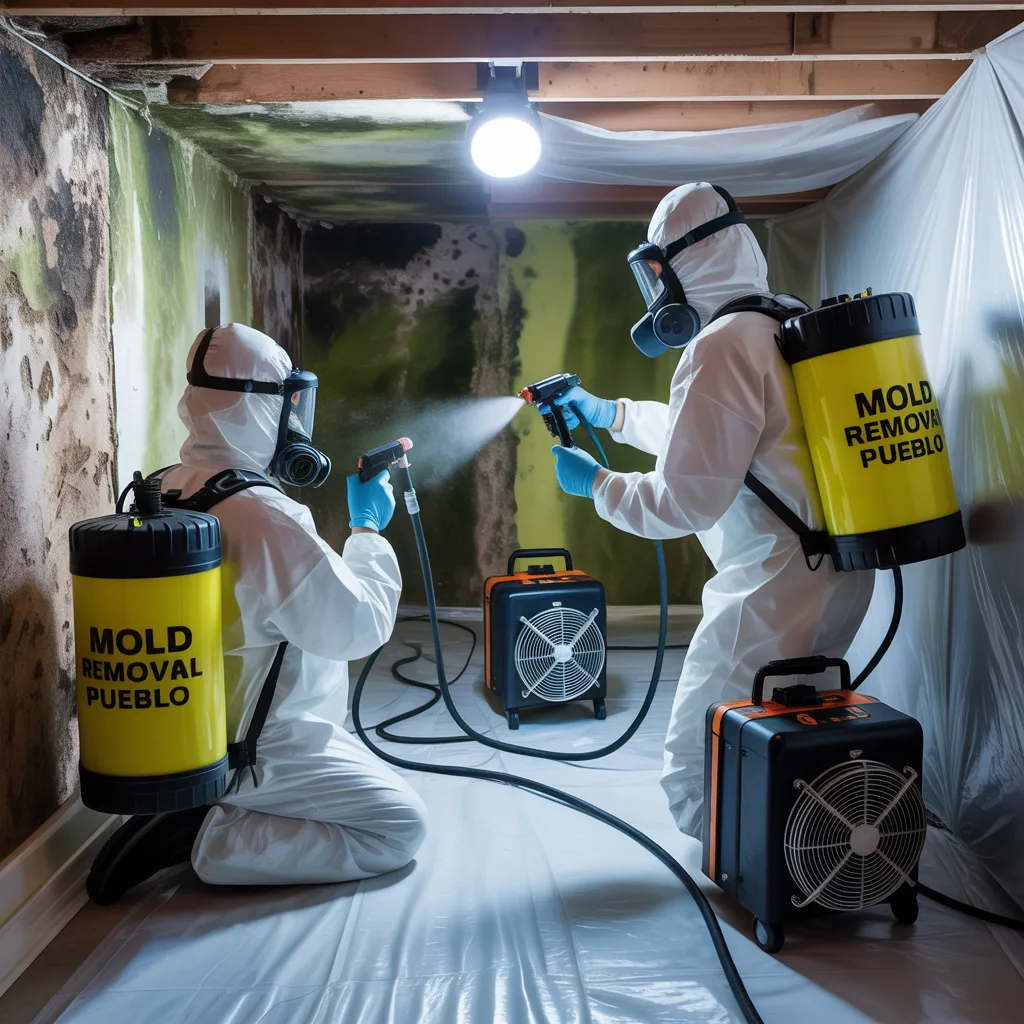
Flood Mold Remediation Pueblo
Spring snowmelt, Arkansas River corridor seepage, and older basement walls can leave Pueblo properties with fast-moving fungal contamination after water intrusion.
Professional Flood Mold Remediation In Pueblo, CO
Flood mold remediation removes microbial growth, wet debris, and contaminated materials after flooding or major water intrusion. It is for Pueblo homeowners, landlords, and property managers dealing with basement seepage, crawl space moisture, or soaked drywall. Pueblo’s freeze-thaw cycles, river-adjacent soils, and older housing stock make fast drying and containment especially important.
Flood-related fungal contamination behaves differently than a small bathroom moisture issue. Water can move under baseboards, behind plaster, into crawl space insulation, and through old floor assemblies before the surface looks serious. In Pueblo, we often see this after spring snowmelt pushes moisture into basements near the Historic Arkansas Riverwalk, or after late-summer monsoon humidity slows drying in homes around Belmont and the Eastside.
After 10+ years working in Pueblo properties, my rule is simple: the cleanup has to follow the water path, not just the visible staining. A wet wall near Union Avenue Historic District may have brick, plaster, wood lath, and old paint layers holding moisture at different depths. That affects containment, drying time, removal decisions, and indoor air quality.
Mold Removal Pueblo helps identify what stayed wet, what can be dried, and what needs controlled removal. For local help after water damage, visit black mold removal Pueblo CO and speak with someone who understands Pueblo building conditions. The next step is a careful remediation protocol built around the structure, not guesswork.
Our Process for Flood Mold Remediation
Moisture Mapping Before Any Tear-Out
We start by finding where the floodwater actually traveled. That means checking baseboards, drywall edges, flooring seams, crawl space access points, utility penetrations, and foundation wall transitions. In Pueblo homes near Santa Fe Drive and the Arkansas River corridor, water often follows low spots and older slab cracks before it shows up in the room where the owner first notices damage.
Moisture readings guide the work. We do not remove materials just to make the job look bigger, and we do not leave wet assemblies sealed up because the surface feels dry. In my experience, that middle ground is where reliable remediation happens.
Containment That Protects Clean Areas
Once the affected zone is confirmed, we isolate it. Containment helps reduce spore spread into bedrooms, living rooms, office spaces, and HVAC pathways. This matters in older Pueblo homes where return vents, wall cavities, and basement stairwells can move air quickly.
We often see fungal contamination become worse when wet drywall is ripped out without containment. The goal is controlled removal, not demolition dust. Negative air, sealed work areas, and careful entry points help keep the rest of the property stable while the cleanup moves forward.
Removal, Cleaning, and Drying
Materials that cannot be safely dried are removed. That may include saturated drywall, carpet pad, insulation, swollen trim, or contaminated contents. Porous materials that sat wet after flooding usually need a stricter decision than materials affected by clean condensation.
Hard surfaces are cleaned using a remediation protocol focused on residue, dust, and microbial growth. Drying equipment is placed based on readings, air movement, and the shape of the space. Pueblo’s winter freeze-thaw pattern can stress crawl space vapor barriers in Bessemer, so we also check whether ground moisture is feeding the problem from below.
For urgent help after water intrusion, 24/7 mold removal Pueblo CO connects local property owners with practical next steps before damage spreads farther.
Final Check and Prevention Notes
The last phase is verification. We re-check moisture levels, review removed materials, inspect cleaned surfaces, and look for conditions that could bring the issue back. Flood mold remediation is not finished just because the room smells better.
We also explain what caused the moisture to linger. In Pueblo West, it may be grading or window well drainage. In Downtown Pueblo, it may be old plumbing lines or basement ventilation. In St. Charles Mesa, it may be irrigation-adjacent moisture and crawl space air movement. Those details help keep the property from repeating the same cleanup cycle.
Cost Of Flood Mold Remediation In Pueblo
Flood mold remediation in Pueblo usually depends on four things: how much material got wet, how long it stayed wet, whether containment is needed, and whether crawl spaces or finished basements are involved. A small contained cleanup in one room may run around $750 to $1,800. A larger basement project with drywall removal, air filtration, drying equipment, and detailed cleaning can land between $2,500 and $7,500 or more.
Labor is a real part of the price. Controlled removal takes longer than basic demolition because workers have to set containment, bag debris properly, protect clean areas, clean framing, and keep dust from spreading. Crawl spaces in Bessemer or older Eastside homes can also raise labor costs because access is tight and vapor barriers may be damaged from freeze-thaw movement.
Equipment also matters. Air scrubbers, dehumidifiers, moisture meters, containment materials, disposal, and protective gear all affect the final number. A property near the Arkansas River corridor that took on water during spring moisture spikes may need more drying time than a small isolated plumbing overflow.
The best estimate comes after seeing the water path. A photo can help, but moisture readings tell the real story. Once the affected materials are identified, pricing becomes much clearer and easier to explain.
Example of our Mold Removal Projects
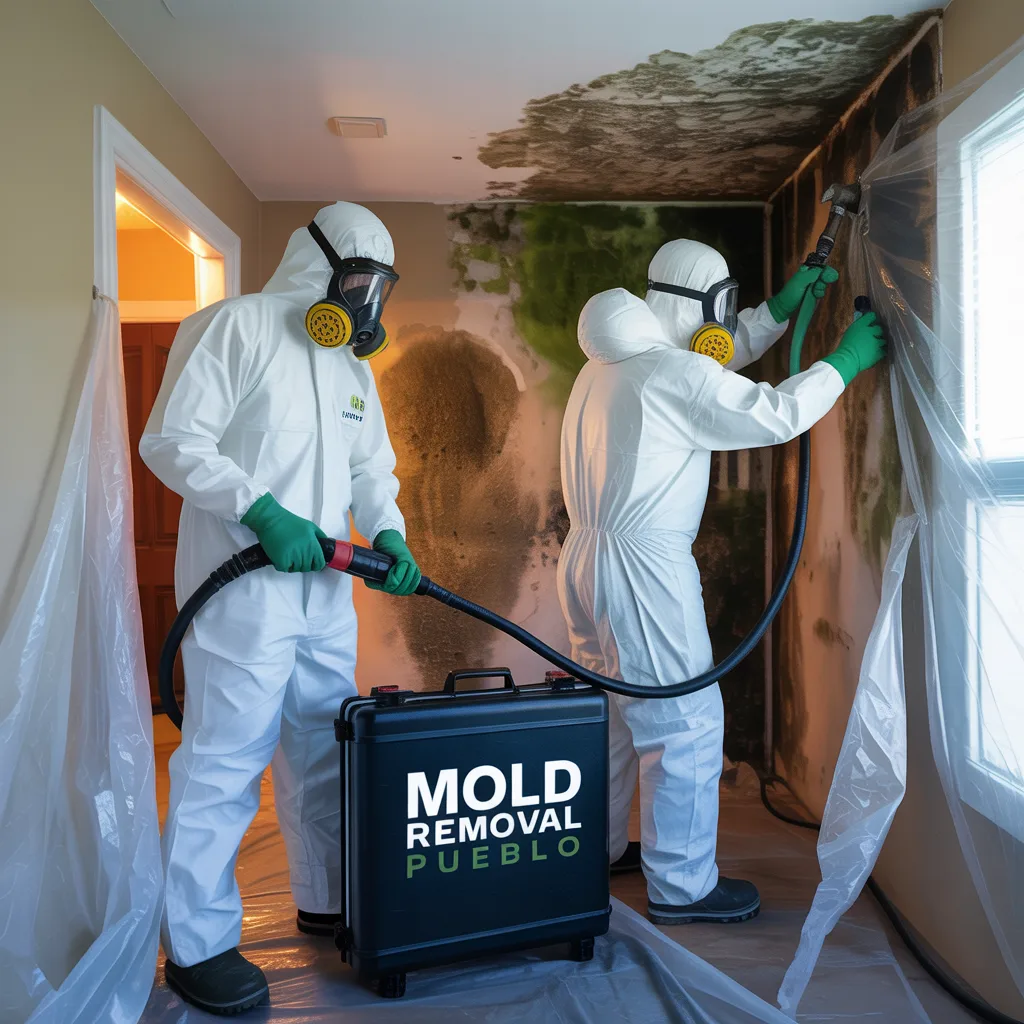
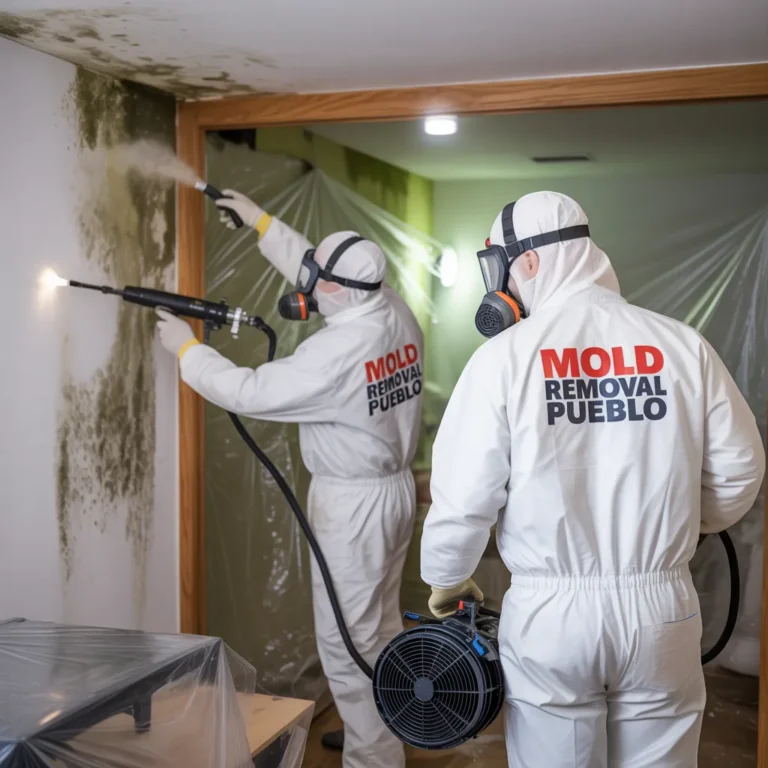



Satisfied Customers in Pueblo, CO
Why Choose Mold Removal Pueblo for Flood Mold Remediation?
Deep Knowledge of Local Mold Conditions
We work exclusively in Pueblo, CO and understand the moisture challenges that affect properties across ZIP codes like 81003, 81005, 81006, and 81007.
We Find the Source, Not Just the Surface
Every job includes identifying the moisture source behind the growth. Cleaning visible mold without fixing what is driving it is not a real solution.
Honest, Clear Communication
You will always know what we found, what needs to be done, and what to expect — in plain language, before any work begins.
Proper Containment Procedures
We contain every remediation job correctly to prevent spore dispersal to unaffected areas of the property.
Residential and Commercial Experience
From single-family homes to rental properties and commercial spaces, we have the experience to handle black mold situations of all sizes across Pueblo, CO.
Available Seven Days a Week
We are available Mon–Sun for inspections, remediation, and emergency mold service across all Pueblo ZIP codes — 81001, 81002, 81003, 81004, 81005, 81006, 81007, and 81008.
FAQ'S About Flood Mold Remediation
How fast should flood-related mold cleanup start in Pueblo?
Cleanup should start as soon as the water source is stopped and the area is safe to enter. In Pueblo, delayed drying can become a bigger issue during spring snowmelt, late-summer monsoon humidity, or cold weather when basements dry slowly. The sooner moisture is measured and controlled, the less likely fungal contamination is to spread behind walls.
What are the warning signs after a basement flood?
Common signs include musty odor, dark staining near baseboards, bubbling paint, warped trim, damp carpet edges, and soft drywall. In older homes near the Union Avenue Historic District, plaster and wood lath can hide moisture longer than modern drywall. A room may look dry while the wall cavity is still wet.
Can I clean flood mold myself?
Small surface residue on non-porous materials may be cleaned by a property owner, but flood-related contamination often reaches hidden materials. If drywall, insulation, carpet pad, or crawl space materials stayed wet, professional containment and removal are usually safer. The risk is spreading spores through the home while tearing out wet material.
How much does this service cost in Pueblo?
Many smaller Pueblo projects cost around $750 to $1,800, while larger basement or crawl space cleanups can range from $2,500 to $7,500 or more. Finished basements, tight crawl spaces, heavy debris removal, and longer drying times increase the price. A proper estimate needs moisture readings, not just a visual glance.
How long does the cleanup usually take?
A limited project may take one to two days. Larger jobs involving containment, material removal, drying, and cleaning can take several days. Pueblo homes with older foundations or poor ventilation may need extra drying time, especially during colder months.
Does floodwater always mean drywall has to be removed?
Not always, but drywall that absorbed water and stayed wet often needs removal. The decision depends on water category, saturation level, time exposed, and whether microbial growth is present. We check moisture levels before deciding because unnecessary tear-out costs money, but sealed-in wet drywall can create a longer-term problem.
Why is Pueblo more prone to this after snowmelt or storms?
Pueblo properties can face moisture from spring snowmelt, heavy storm bursts, older drainage systems, and soil movement near foundations. Freeze-thaw cycles can open small gaps around foundations and crawl space barriers. Homes near the Arkansas River corridor or older neighborhoods with aging plumbing may need closer inspection after water intrusion.
Will air scrubbers remove the mold problem by themselves?
No. Air scrubbers help reduce airborne particles during the work, but they do not remove contaminated drywall, wet insulation, or microbial growth on surfaces. They are one part of the remediation protocol. Source removal, cleaning, and drying are still required.
Can flood-related fungal contamination affect indoor air quality?
Yes. Wet materials can release spores and musty odors into living areas, especially if HVAC returns, basement stairwells, or open wall cavities are nearby. This is common in older Pueblo homes with mixed construction materials. Containment helps protect cleaner areas while affected materials are handled.
What should I do after the remediation is finished?
Keep the area dry, monitor for odor, and fix the moisture source that caused the problem. That may mean improving grading, repairing window wells, replacing a damaged crawl space vapor barrier, or improving basement ventilation. In Pueblo, prevention matters because the same freeze-thaw and storm patterns can bring moisture back if the source remains.