Fire Damage Restoration Pueblo
Smoke residue, wet drywall, and freeze-thaw damage can spread fast after a Pueblo fire, especially in older homes near Bessemer crawl spaces.
Professional Fire Damage Restoration In Pueblo, CO
Fire damage restoration is the cleanup, drying, deodorizing, and repair planning after a structure fire. It is for Pueblo homeowners, landlords, and property managers facing smoke, soot, water, and odor issues. Pueblo’s older housing stock, dry winds, spring snowmelt, and sudden temperature swings make fast stabilization especially important.
After a fire, the visible burn marks are only part of the problem. In Pueblo homes, we often see smoke film settle into plaster walls, attic sheathing, HVAC returns, cabinet interiors, and unfinished basements. Water from suppression efforts can also soak subfloors and wall cavities, creating moisture intrusion behind areas that look dry from the room side.
After years of working in homes near the Union Avenue Historic District, Eastside, Belmont, Bessemer, and Pueblo West, I have learned that fire recovery here has to account for building age and airflow. Pre-1970s homes near the Historic Arkansas Riverwalk may have aging plumbing, older insulation, and limited ventilation. Those details affect how soot is removed, how materials dry, and how odor control is handled.
Mold Removal Pueblo provides local response from Santa Fe Drive, with practical guidance for homeowners who need clear answers after a fire. You can learn more about when mold appears in your Pueblo property through our main site, especially if water from extinguishing the fire has sat longer than expected.
The first goal is simple: stop further damage before cleanup turns into demolition.
Our Process for Fire Damage Restoration
Site Stabilization and Safety Review
We start by walking the property carefully. Fire-damaged buildings can hide soft flooring, loosened ceiling materials, electrical hazards, and soaked insulation. In Pueblo, older crawl spaces in Bessemer and Eastside homes often need extra attention because freeze-thaw cycles can already stress vapor barriers before a fire ever happens.
We check the source area, adjoining rooms, attic access, basement or crawl space, and HVAC pathways. Smoke does not stay polite. It moves with pressure changes, stairwells, vents, gaps around pipes, and old wall cavities.
We also look for water left behind by fire suppression. That water can move under vinyl plank, into hardwood seams, behind baseboards, and below cabinets. A room may smell like smoke on day one, then smell musty several days later if trapped moisture is missed.
Soot, Smoke, and Residue Mapping
Not all soot behaves the same. Protein smoke from a kitchen fire leaves a greasy film. Synthetic material fires can leave sticky residue on trim, windows, and painted surfaces. Wood and paper fires often leave heavier dry soot that can smear badly if cleaned with the wrong method.
We test surfaces before wiping them down. That matters because flat paint, old plaster, brick, unfinished wood, and laminate cabinets respond differently. In Downtown Pueblo and the Union Avenue Historic District, we often see older finishes that cannot handle aggressive scrubbing without damage.
The inspection also includes odor pathways. Smoke can settle in closets, wall voids, return vents, attic insulation, and contents stored nearby. A quick wipe-down may make the room look better, but odor often returns when the furnace or air conditioner cycles.
Controlled Drying and Contamination Control
Fire cleanup often includes water cleanup. That is where many jobs go wrong. Water from hoses or sprinkler systems can soak porous materials, and Pueblo’s spring snowmelt season can add extra basement moisture at the same time.
We use moisture readings to decide what can be dried and what should be removed. Drywall, insulation, carpet pad, and particleboard cabinets are judged by saturation level, contamination, and structural condition. The goal is not to tear out everything. The goal is to remove what cannot be safely restored and dry what can be saved.
Containment may be needed to keep soot, ash, and fungal contamination from spreading into clean rooms. This is especially important in homes with forced-air systems, older ductwork, or open basement stairways. For homeowners comparing local help, our main site explains how mold remediation experts in Pueblo CO think through moisture and indoor air quality after property damage.
Odor Reduction and Repair Readiness
Smoke odor is not solved with perfume. It has to be traced, cleaned, filtered, sealed where appropriate, and verified. We use practical odor control steps based on the type of fire, the affected materials, and how long smoke sat before cleanup began.
In my experience, homes near St. Charles Mesa and Pueblo West can have larger open layouts where smoke travels farther than expected. Older brick homes on the Eastside can hold odor in plaster, masonry, and attic spaces. Each property needs a different remediation protocol.
Before repairs begin, we document affected areas, remaining moisture concerns, and materials that need replacement. That helps homeowners, landlords, and insurance adjusters avoid confusion. Good restoration work should make the rebuild smoother, not leave hidden soot and damp cavities behind.
Once the property is stable, most customers want the same thing: a clear cost range and no vague surprises.
Cost Of Fire Damage Restoration In Pueblo
Fire recovery in Pueblo usually depends on the size of the affected area, the type of smoke, how much water was used, and how long the damage sat before cleanup started. A small contained kitchen smoke cleanup may run around $900 to $2,500 if cabinets, walls, and odor treatment are limited. A multi-room soot and odor project can land between $3,500 and $9,000 when cleaning, drying, containment, and equipment are needed.
Larger losses cost more because labor increases quickly. Removing wet drywall, bagging insulation, cleaning framing, setting air scrubbers, and monitoring moisture takes time. If smoke entered the attic or HVAC system, expect additional labor and possible specialist cleaning.
Material type also changes price. Old plaster near the Historic Arkansas Riverwalk may need gentler cleaning than newer drywall in Pueblo West. Hardwood, brick, unfinished framing, carpet pad, and laminate cabinets all absorb smoke and moisture differently.
Emergency board-up, debris removal, odor control, and after-hours response can add to the bill. I would rather explain that upfront than give a low number that changes later. A useful estimate should separate cleaning, drying, demolition, equipment, and repair-prep costs so you can see where the money goes.
Cost makes more sense once you hear how other Pueblo residents experienced the work.
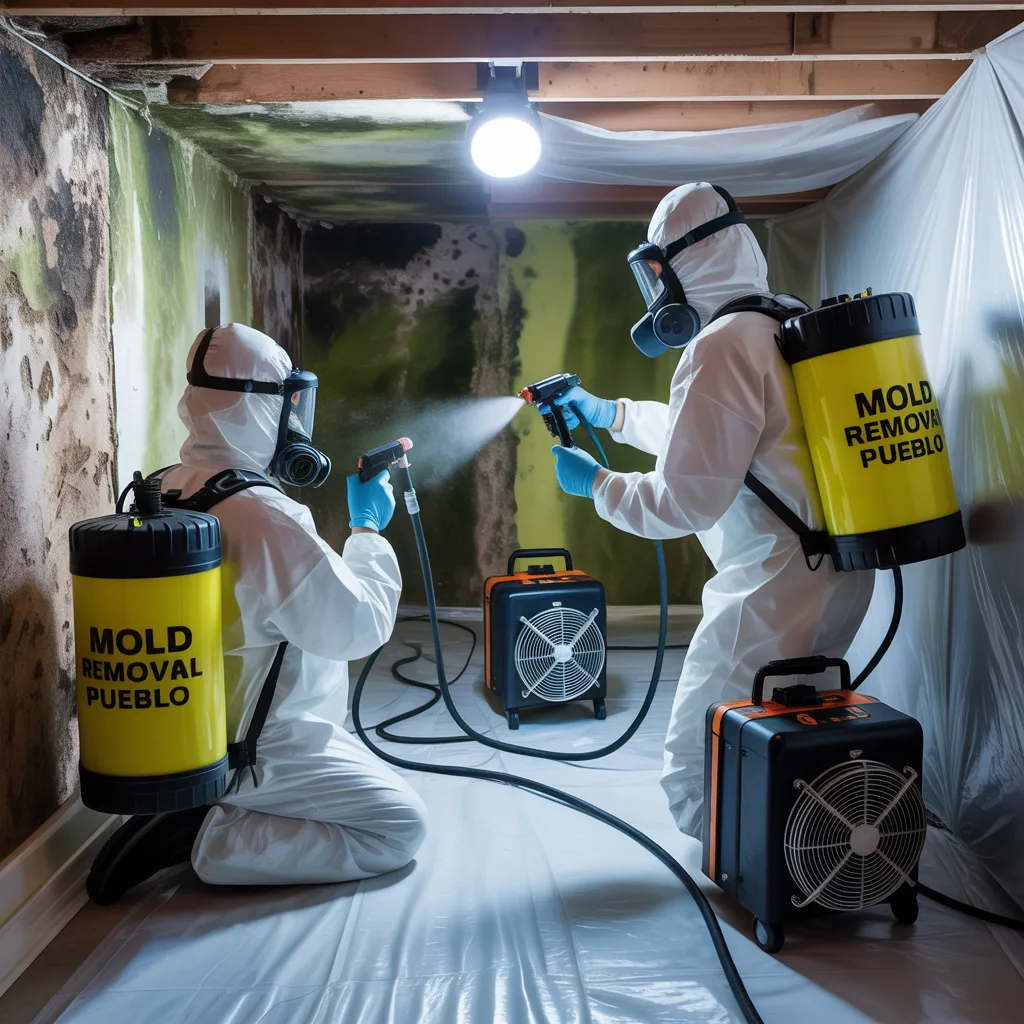
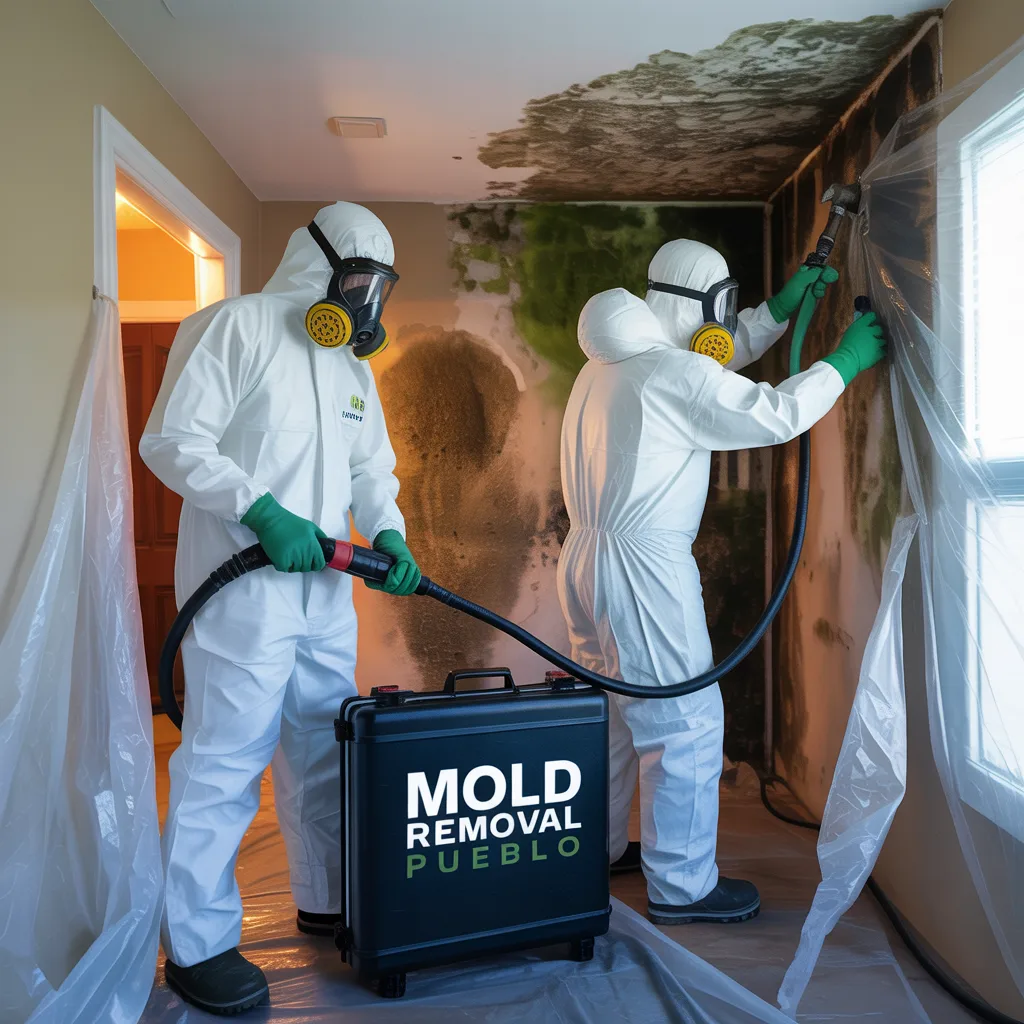
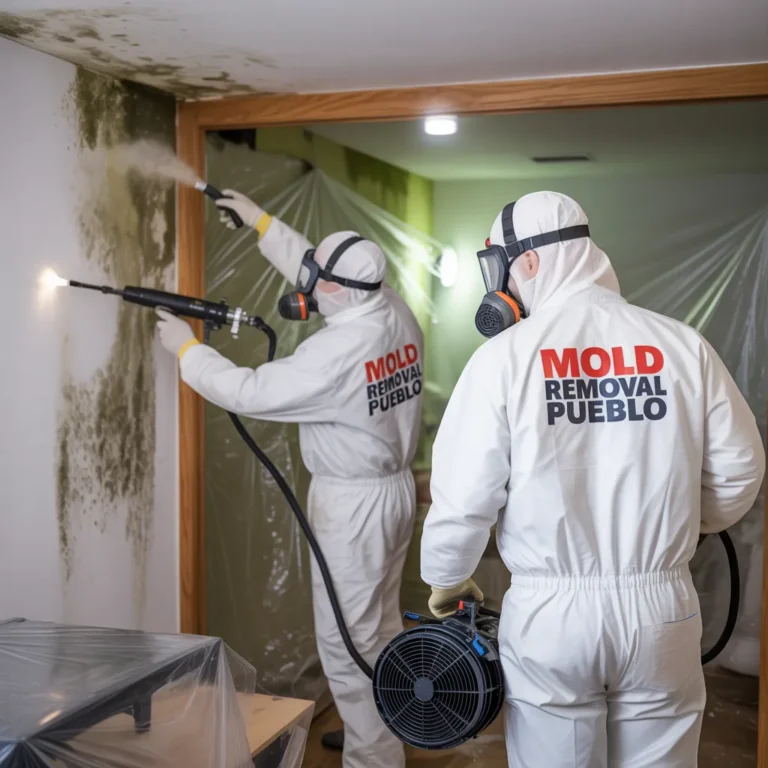
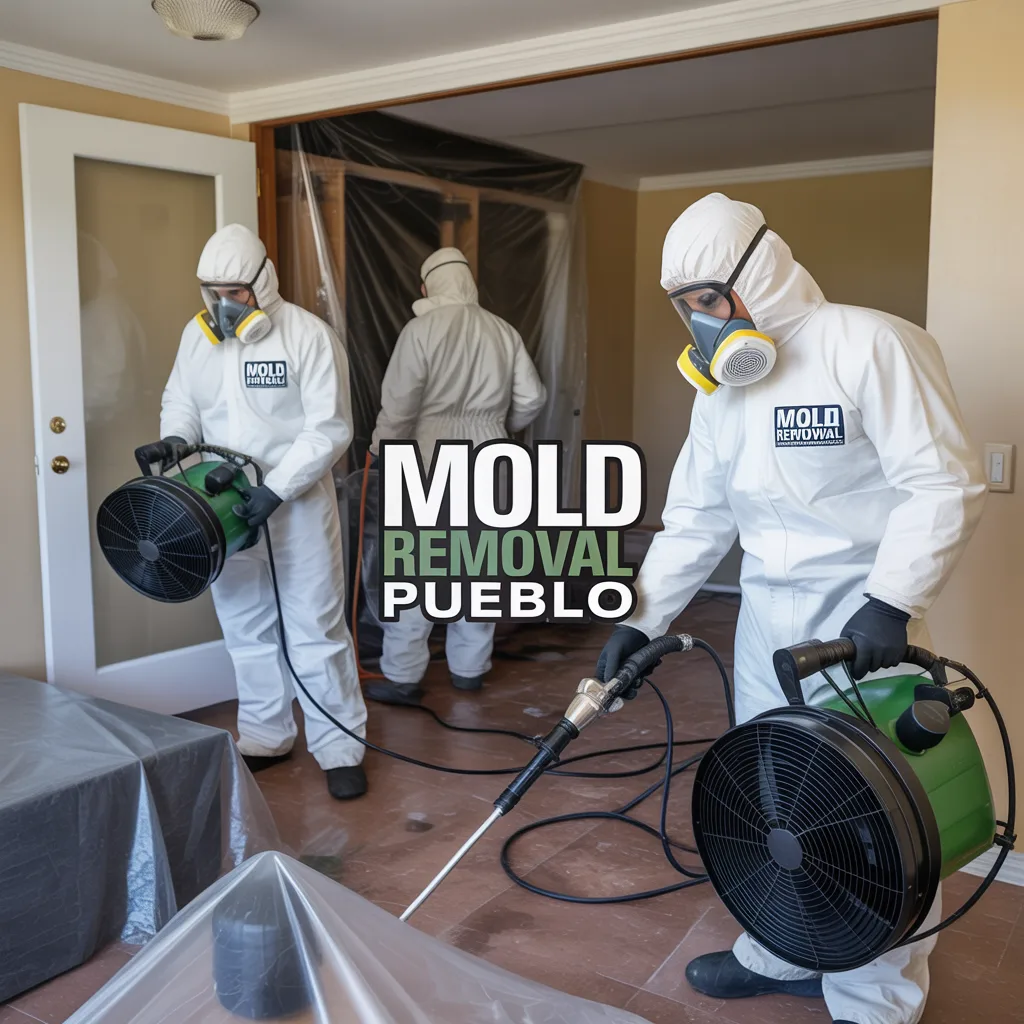
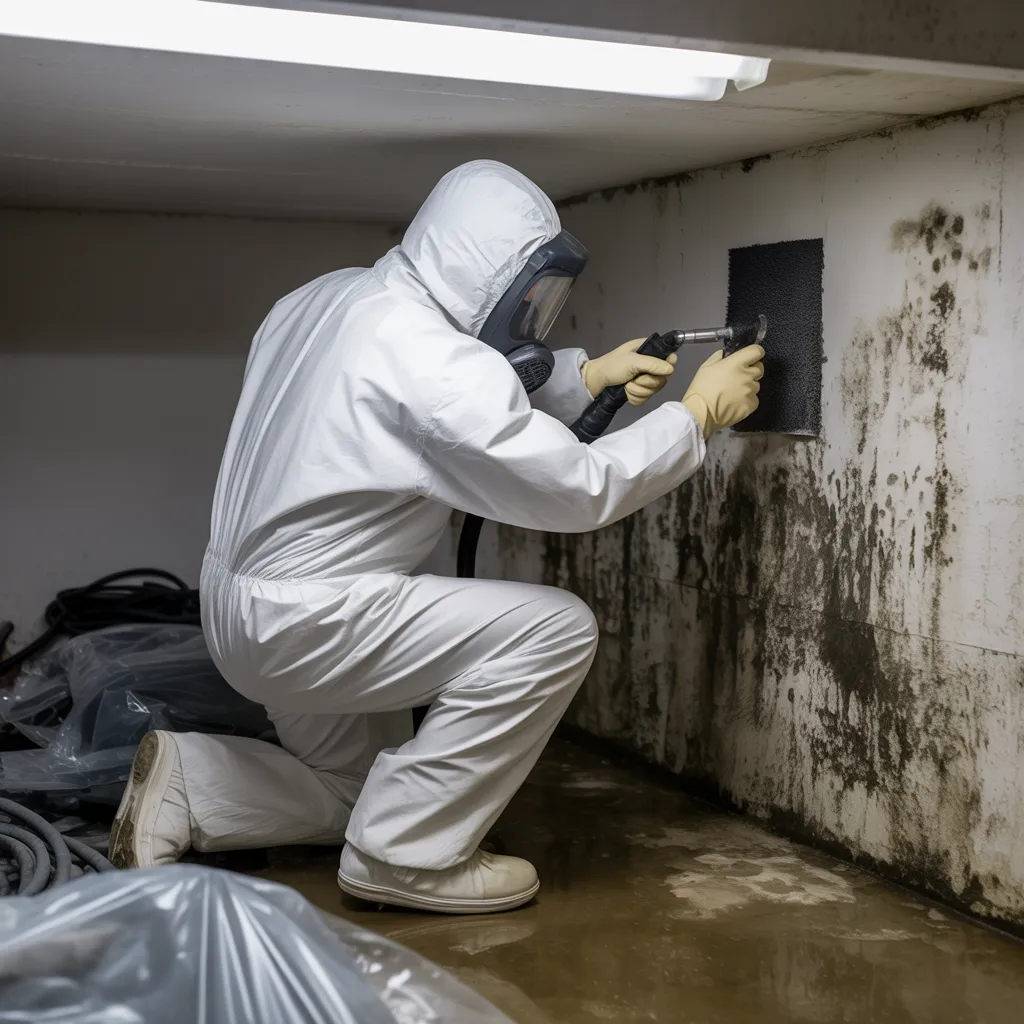
Example of our Mold Removal Projects



Satisfied Customers in Pueblo, CO
Why Choose Mold Removal Pueblo for Fire Damage Restoration?
Deep Knowledge of Local Mold Conditions
We work exclusively in Pueblo, CO and understand the moisture challenges that affect properties across ZIP codes like 81003, 81005, 81006, and 81007.
We Find the Source, Not Just the Surface
Every job includes identifying the moisture source behind the growth. Cleaning visible mold without fixing what is driving it is not a real solution.
Honest, Clear Communication
You will always know what we found, what needs to be done, and what to expect — in plain language, before any work begins.
Proper Containment Procedures
We contain every remediation job correctly to prevent spore dispersal to unaffected areas of the property.
Residential and Commercial Experience
From single-family homes to rental properties and commercial spaces, we have the experience to handle black mold situations of all sizes across Pueblo, CO.
Available Seven Days a Week
We are available Mon–Sun for inspections, remediation, and emergency mold service across all Pueblo ZIP codes — 81001, 81002, 81003, 81004, 81005, 81006, 81007, and 81008.
FAQ'S About Fire Damage Restoration
How fast should fire cleanup begin after a Pueblo house fire?
Cleanup should begin as soon as the property is safe to enter. Soot can stain surfaces, smoke odor can settle deeper into materials, and water from extinguishing the fire can soak wall cavities or flooring. In Pueblo, fast drying matters even more during spring snowmelt or late-summer humidity.
What does fire damage restoration include?
It usually includes safety inspection, debris removal, soot cleaning, smoke odor reduction, moisture drying, damaged material removal, and preparation for repairs. The exact scope depends on whether the fire affected one room, multiple rooms, the attic, crawl space, or HVAC system.
Can smoke odor be removed completely?
Many smoke odors can be removed or greatly reduced when the source is cleaned correctly. The key is finding where the smoke traveled. Odor may remain if soot is left inside ducts, attic insulation, wall gaps, cabinets, or porous materials.
How much does fire damage cleanup cost in Pueblo?
Small smoke cleanup projects may cost around $900 to $2,500. Multi-room cleanup with drying and odor control often ranges from $3,500 to $9,000 or more. Severe damage with demolition, structural drying, and repair preparation can cost significantly more.
Does homeowners insurance usually cover fire restoration?
Many homeowners policies cover fire damage, smoke damage, and water damage from extinguishing the fire, but coverage depends on the policy and cause of loss. You should contact your insurer quickly and keep photos, invoices, moisture readings, and cleanup documentation.
Is it safe to clean soot myself?
Light surface residue on non-porous items may be cleaned carefully, but heavy soot should be handled professionally. Soot can smear, stain, and contain irritants from burned plastics, wiring, furniture, and treated materials. Incorrect cleaning can make damage harder to restore.
Why does my house smell worse when the heat turns on?
That often means smoke particles reached the HVAC system, return vents, ductwork, or nearby wall cavities. When air starts moving, it redistributes odor through the house. This is common in Pueblo homes with older forced-air systems and leaky duct connections.
What Pueblo homes are most vulnerable after a fire?
Older homes in Bessemer, Eastside, Downtown Pueblo, and near the Union Avenue Historic District often need careful inspection because of crawl spaces, plaster walls, aging ventilation, and older insulation. Pueblo West homes may have larger open layouts where smoke travels quickly through connected living spaces.
Can fire damage lead to microbial growth?
Yes. Water used to extinguish flames can soak drywall, flooring, insulation, and framing. If damp materials are not dried or removed, microbial growth and fungal contamination can develop behind finished surfaces, especially in basements, crawl spaces, and poorly ventilated rooms.
What should I do before the restoration crew arrives?
Stay out of unsafe areas, avoid wiping soot-covered surfaces, do not run the HVAC system if smoke entered the home, and take photos if it is safe. Open windows only if weather and security allow. Keep receipts for emergency expenses and write down what areas were affected.