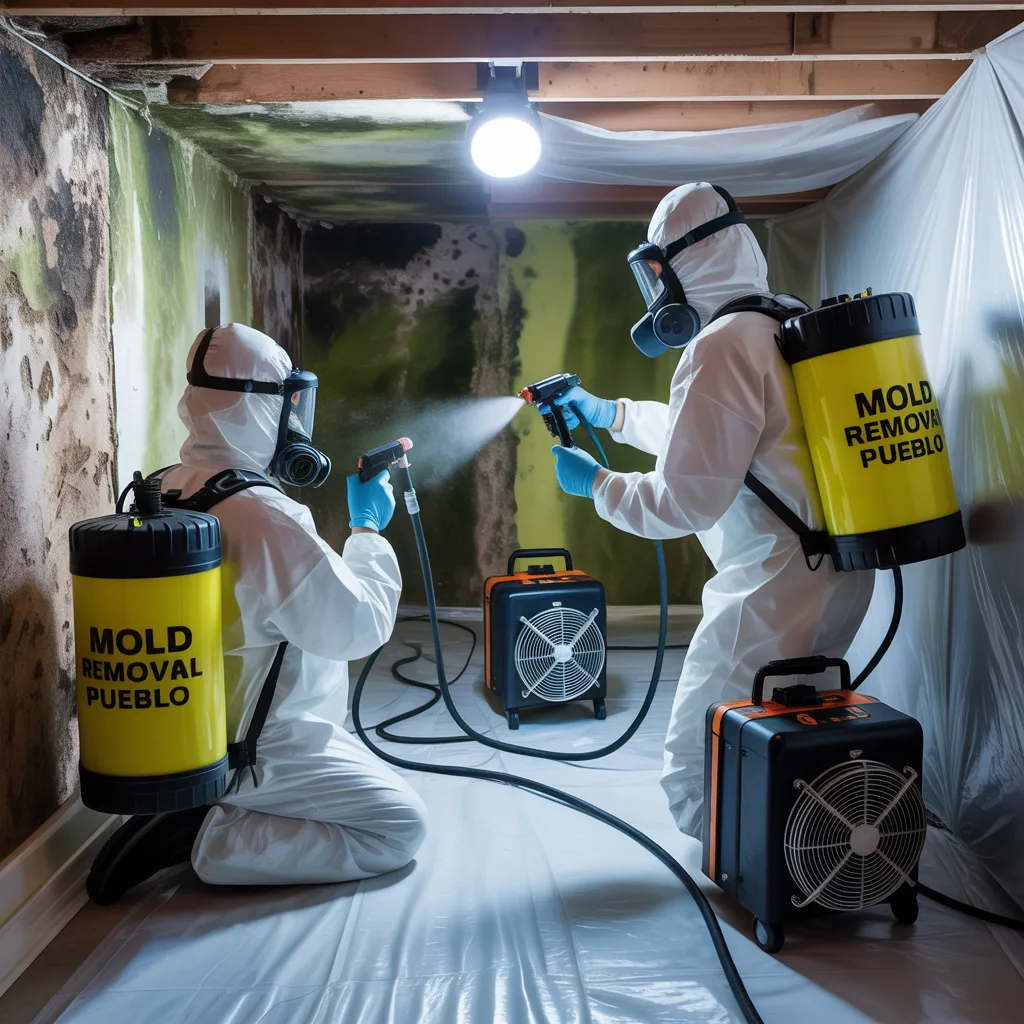
Industrial Mold Removal Pueblo
Industrial facilities near Santa Fe Drive and the Arkansas River corridor can hide moisture behind block walls, floor drains, and older ventilation runs.
Professional Industrial Fungal Remediation In Pueblo, CO
Industrial mold removal is controlled fungal contamination cleanup for Pueblo warehouses, shops, plants, and large commercial buildings. It is for owners, managers, and maintenance leads dealing with moisture intrusion, spore spread, or air quality concerns. Pueblo’s freeze-thaw cycles, spring snowmelt, and aging industrial structures make fast containment important.
Industrial spaces in Pueblo do not behave like standard homes or offices. A shop near Bessemer may have floor drains, concrete block walls, metal framing, roof penetrations, and stored materials that hold moisture differently. A warehouse close to Downtown Pueblo may have older ventilation, loading dock gaps, or past roof leaks that keep microbial growth active long after the surface looks dry.
After years of working in Pueblo properties, we often see industrial contamination tied to three things: hidden condensation, slow plumbing leaks, and moisture trapped after storms or snowmelt. Buildings around the Union Avenue Historic District and Santa Fe Drive can also have older utility layouts that make moisture mapping more involved.
Mold Removal Pueblo helps property managers get clear answers, not vague scare tactics. You can start with Pueblo contamination help when an industrial space needs practical guidance, site-specific inspection, and a cleanup plan that respects operations.
A good industrial protocol starts by finding the moisture source before any material is disturbed.
Our Process for Industrial Fungal Cleanup
Site Walkthrough and Moisture Mapping
We begin with a walkthrough of the affected industrial area. That may include production rooms, break areas, storage racks, mechanical spaces, loading docks, and utility corridors. We look for moisture patterns around slab edges, roof drains, pipe chases, HVAC lines, and wall cavities.
In my experience, Pueblo buildings near the Arkansas River corridor can show delayed moisture problems after snowmelt or heavy rain. The surface may dry first, while block walls, insulation, or stored cardboard keep enough dampness for fungal contamination to continue.
Containment Planning Around Operations
Industrial spaces often need cleanup without creating unnecessary disruption. We look at how employees move through the building, where air is being pulled, and which doors or bays could spread spores during work. Containment is planned around the actual use of the building.
That can mean temporary barriers, pressure control, sealed work zones, and careful staging. For Pueblo West shops and St. Charles Mesa facilities, we often pay close attention to wind-driven dust and open bay doors because airborne particles can complicate indoor air quality during remediation.
Controlled Removal and Surface Treatment
Once containment is set, affected porous materials are removed only where needed. Non-porous and semi-porous surfaces are cleaned using a remediation protocol suited to industrial conditions. Concrete, steel, block, sealed wood, and mechanical surfaces are handled differently.
We avoid the common mistake of treating every dark stain like the same problem. In older industrial buildings around Eastside and Belmont, we often see staining mixed with soot, mineral deposits, old adhesive, and active microbial buildup. The work has to separate cosmetic staining from material that is actually contaminated.
Drying Verification and Prevention Notes
Cleanup is not complete just because the visible growth is gone. We check moisture levels, review ventilation concerns, and identify conditions that could restart the issue. This is where Pueblo’s climate matters.
Freeze-thaw movement can open small gaps around exterior walls and older crawl space barriers. Late-summer monsoon humidity can also trap damp air in poorly ventilated industrial rooms. When a facility needs local documentation and a direct next step, Mold Removal Pueblo gives managers one clear place to begin.
The next concern is usually cost, and industrial pricing depends heavily on access, materials, and how far the contamination has traveled.
Cost Of Industrial Mold Remediation In Pueblo
Industrial mold remediation in Pueblo usually starts around $1,500 to $3,500 for a limited, contained area such as a small mechanical room, isolated storage corner, or single affected wall section. Larger projects can run $4,000 to $12,000 or more when containment, lift access, after-hours labor, disposal, and multiple work zones are involved.
The biggest cost variable is labor. A 300-square-foot affected area inside a clear, open warehouse is not the same as contamination above a drop ceiling, behind pallet racking, or inside a tight utility chase. If equipment has to be moved, containment has to be rebuilt in phases, or work must happen after closing, the labor cost rises.
Materials also change the price. Cleaning sealed concrete and metal surfaces is usually less expensive than removing wet drywall, insulation, ceiling tile, or contaminated stored goods. Disposal costs can add up when affected materials must be bagged, sealed, and hauled properly.
In Pueblo, moisture correction matters too. A roof leak near a loading bay, condensation from poor ventilation, or a drainage problem along a slab edge can keep the problem active. Paying only for surface cleaning without addressing that source often leads to another call months later.
A fair estimate should explain what is being removed, what is being cleaned, how containment will work, and what conditions must be corrected after the job.
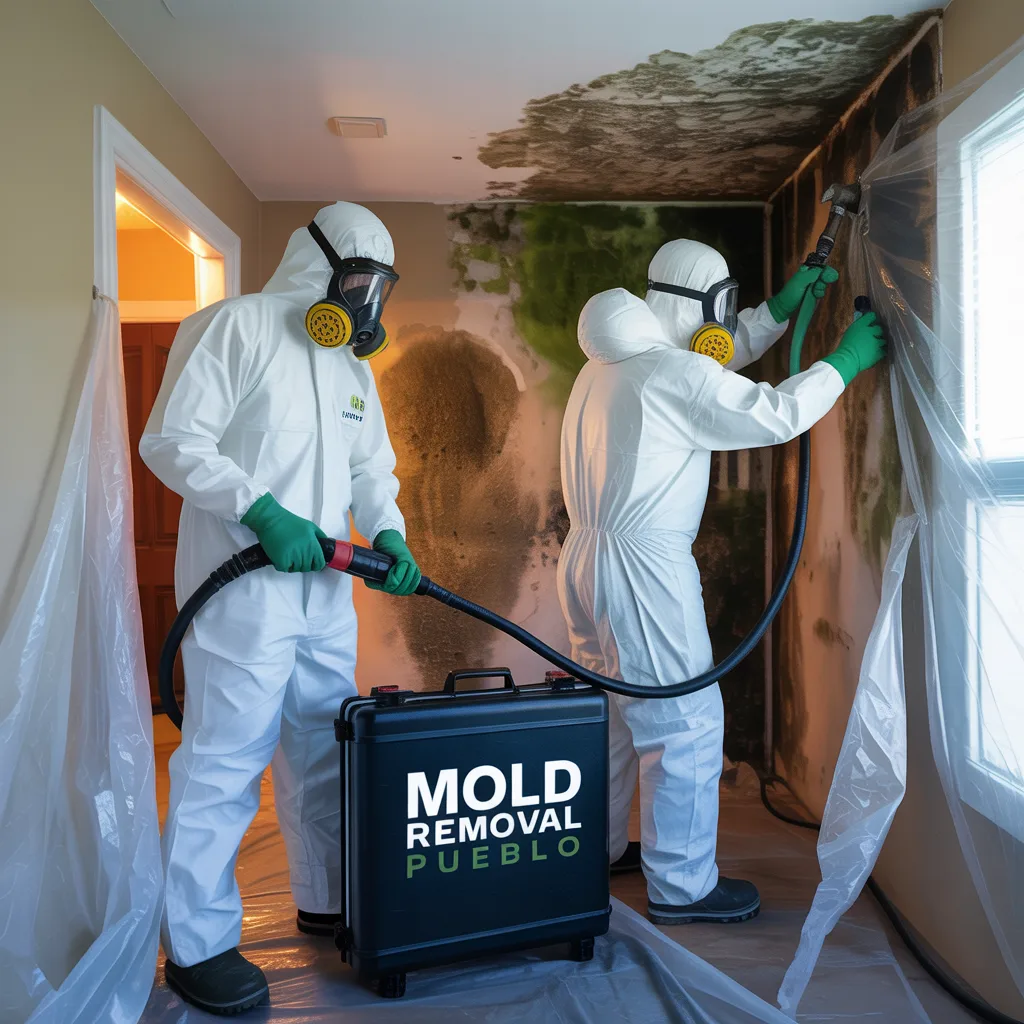
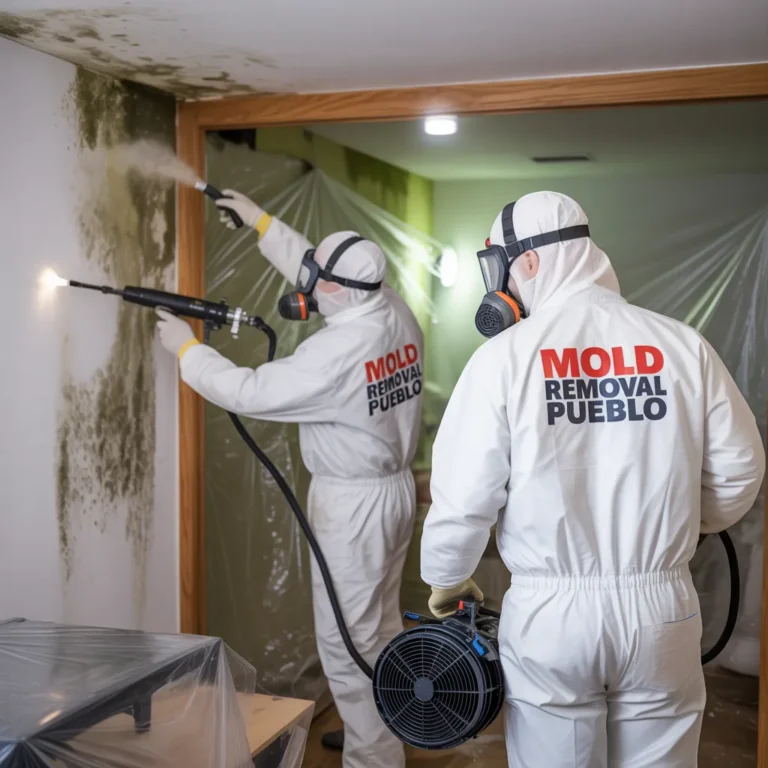
Example of our Mold Removal Projects
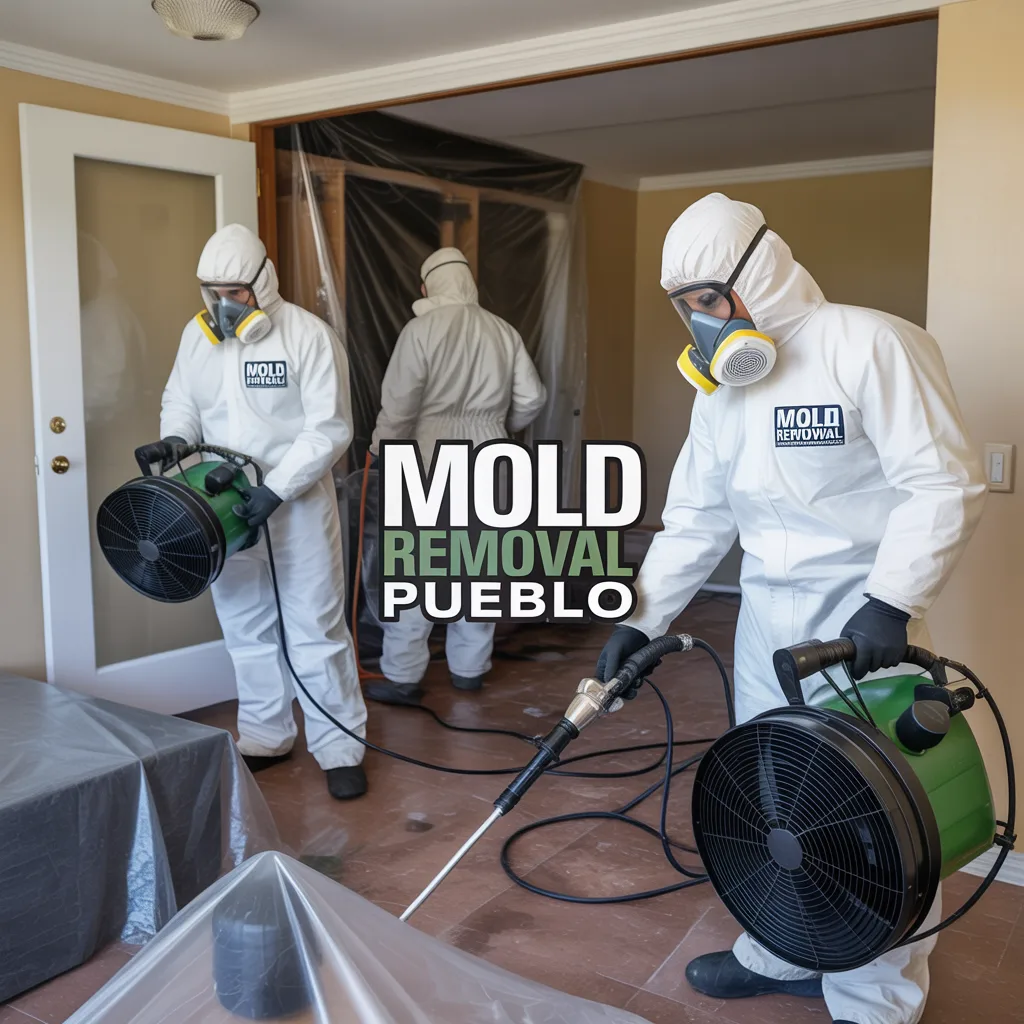


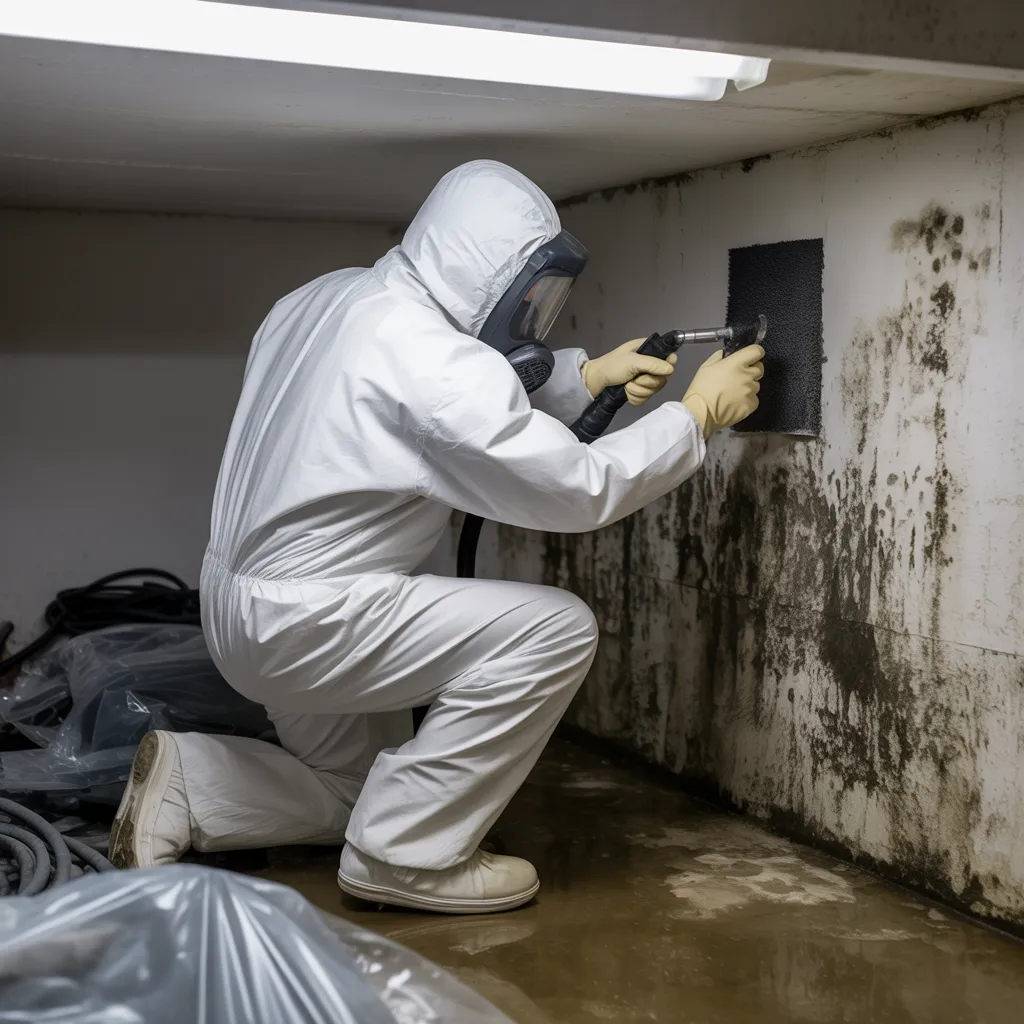

Satisfied Customers in Pueblo, CO
Why Choose Mold Removal Pueblo for Industrial Mold Remediation?
Deep Knowledge of Local Mold Conditions
We work exclusively in Pueblo, CO and understand the moisture challenges that affect properties across ZIP codes like 81003, 81005, 81006, and 81007.
We Find the Source, Not Just the Surface
Every job includes identifying the moisture source behind the growth. Cleaning visible mold without fixing what is driving it is not a real solution.
Honest, Clear Communication
You will always know what we found, what needs to be done, and what to expect — in plain language, before any work begins.
Proper Containment Procedures
We contain every remediation job correctly to prevent spore dispersal to unaffected areas of the property.
Residential and Commercial Experience
From single-family homes to rental properties and commercial spaces, we have the experience to handle black mold situations of all sizes across Pueblo, CO.
Available Seven Days a Week
We are available Mon–Sun for inspections, remediation, and emergency mold service across all Pueblo ZIP codes — 81001, 81002, 81003, 81004, 81005, 81006, 81007, and 81008.
FAQ'S About Industrial Mold Remediation
How much does industrial mold remediation cost in Pueblo?
Most smaller industrial projects in Pueblo cost about $1,500 to $3,500. Larger buildings, multiple affected zones, lift access, after-hours scheduling, and contaminated porous materials can push the price from $4,000 to $12,000 or more. A proper estimate should break down containment, labor, removal, cleaning, disposal, and moisture correction.
How long does cleanup take in an industrial building?
A small contained area may take one to two days. Larger industrial spaces can take several days or longer if work must be phased around employees, machinery, tenants, or production schedules. Drying time and source correction can add time before final verification.
Can our maintenance staff clean it instead?
Maintenance staff can usually handle minor surface cleaning on non-porous materials when the area is very small and the moisture source is already fixed. Professional remediation is safer when contamination covers a larger area, affects porous materials, causes odor, or sits near HVAC, stored inventory, or employee work zones.
Why do industrial buildings in Pueblo get fungal contamination?
Pueblo industrial buildings often have roof penetrations, slab moisture, older plumbing, block walls, and ventilation gaps. Spring snowmelt can raise moisture around foundations, while freeze-thaw cycles can widen small cracks. Late-summer humidity can also collect in poorly ventilated rooms and storage spaces.
What warning signs should a property manager watch for?
Watch for musty odor, dark spotting on block or drywall, damp insulation, recurring ceiling stains, warped stored materials, condensation on pipes, and complaints about indoor air quality. In Pueblo, we often see early signs near loading docks, mechanical rooms, floor drains, and exterior walls facing weather exposure.
Do you remove contaminated materials or just clean surfaces?
That depends on the material. Porous materials like wet drywall, insulation, and ceiling tile often need removal if growth is active or moisture has penetrated deeply. Hard surfaces like sealed concrete, metal, and some coated block can often be cleaned and treated under containment.
Can mold spread through an industrial HVAC system?
Yes, spores can move through air pathways if the affected area is disturbed or located near return air, duct openings, or pressure changes. Industrial ventilation can move air across long distances. That is why containment and airflow review are important before cleanup begins.
Is winter a bad time to handle industrial contamination?
Winter is a common time to find moisture problems in Pueblo because freeze-thaw stress can open small exterior gaps and condensation can form on cold surfaces. Cleanup can still be done in winter, but drying and ventilation need careful attention. Waiting can allow contamination to move behind walls or into stored materials.
Will the odor go away after remediation?
A musty odor usually improves after contaminated materials are removed, hard surfaces are cleaned, and moisture is corrected. If the odor remains, there may be hidden damp material, contaminated dust, or an unresolved ventilation issue. Odor control should never replace source correction.
What should we do after the cleanup is finished?
Keep the area dry, improve airflow, repair leaks quickly, and avoid storing cardboard or absorbent materials against exterior walls. Check mechanical rooms, slab edges, and roof drain areas after snowmelt or heavy rain. A simple maintenance log can help catch recurring moisture before it turns into another remediation project.