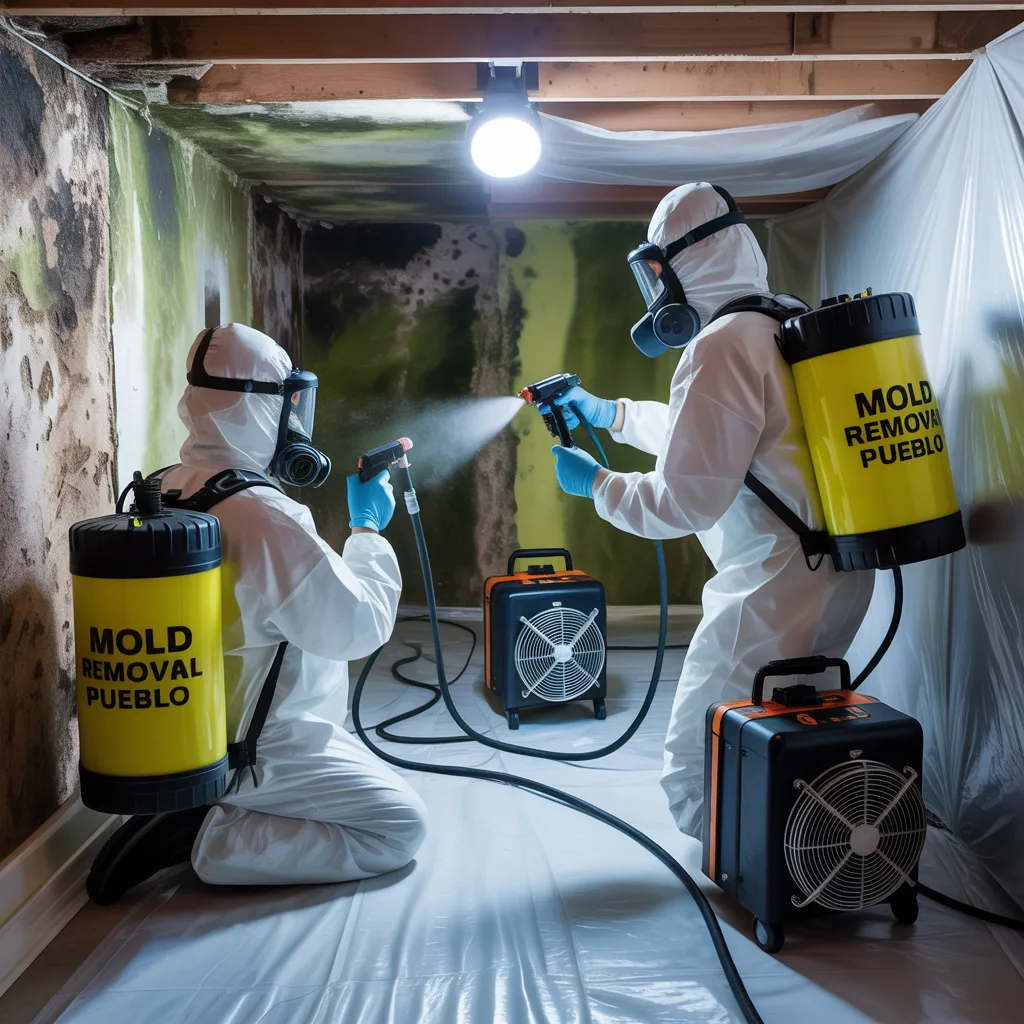
Structural Mold Remediation Pueblo
Structural mold damage in Pueblo homes often starts after Arkansas River corridor moisture, spring snowmelt, or freeze-thaw cracks reach framing, subfloors, and crawl space supports.
Professional Structural Fungal Damage Cleanup In Pueblo, CO
Structural mold remediation removes fungal contamination from load-bearing or building-support materials for homeowners, landlords, and property managers. Pueblo needs this service because older crawl spaces, basement framing, and additions around Bessemer, Eastside, and Downtown often trap moisture after winter movement, plumbing leaks, or poor ventilation.
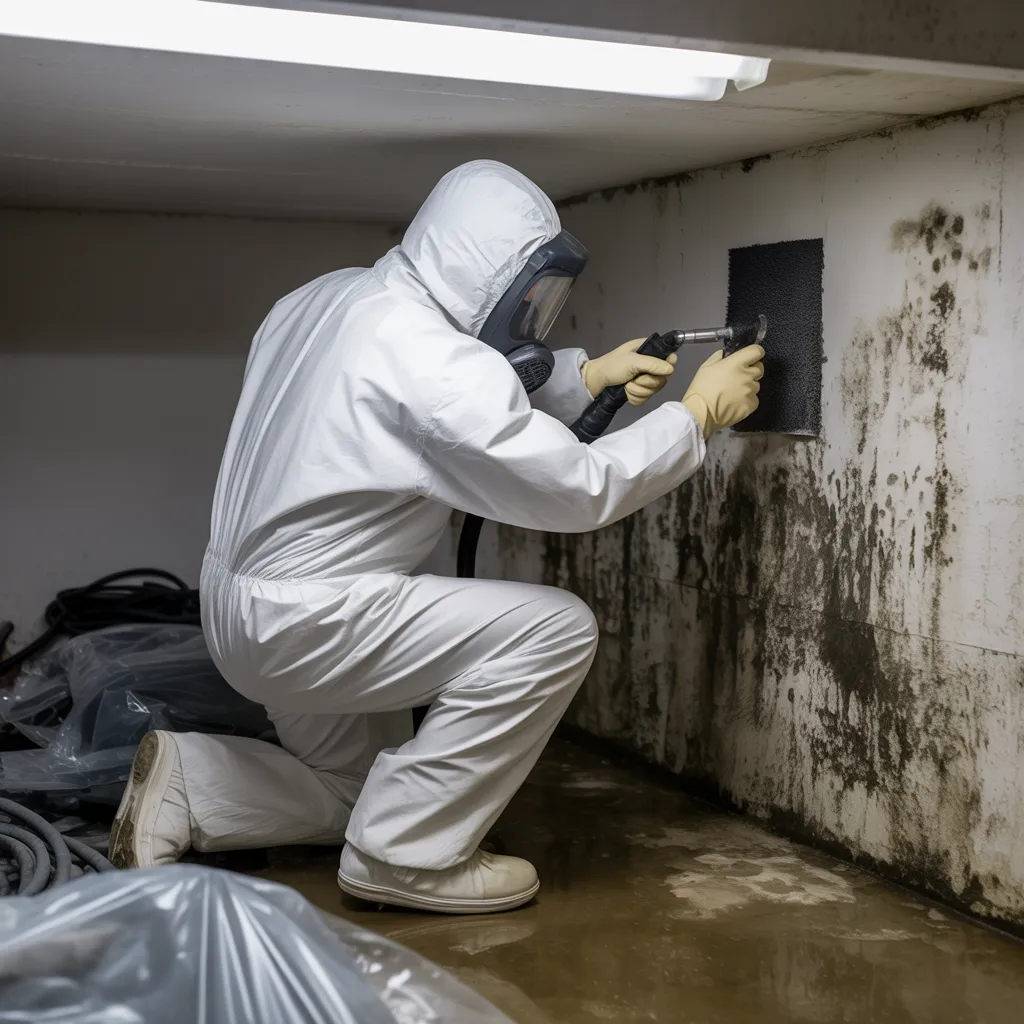
Structural fungal growth is different from surface staining on drywall or trim. It can affect joists, sill plates, subflooring, wall framing, roof sheathing, and crawl space supports. In Pueblo, we often see it where moisture sits long enough to soak into wood: below bathrooms in pre-1970s homes near the Historic Arkansas Riverwalk, inside older brick homes on the Eastside, and beneath additions in Bessemer where crawl space vapor barriers have been torn by freeze-thaw movement.
The goal is not just to wipe visible growth. The goal is to stop moisture intrusion, isolate contaminated areas, remove damaged or compromised material when needed, clean affected structural surfaces, and reduce spore spread into occupied rooms. After years of working in Pueblo homes, I can usually tell whether the source is a slow plumbing leak, poor crawl space airflow, floodplain moisture, or roofline condensation by how the wood looks and where the microbial growth is heaviest.
For property owners comparing next steps, Pueblo mold help can be the right place to start when the problem involves framing, crawl spaces, or hidden moisture instead of simple surface cleanup. A good remediation plan starts with finding the wet building material, not just treating what is visible.
Our Process for Structural Fungal Stabilization
We Trace the Moisture Path First
We start by locating the moisture source because structural cleanup fails when the wood keeps taking on water. In Pueblo, that source often changes by season. Spring snowmelt can push moisture into basements and crawl spaces, while late-summer monsoon humidity can raise indoor moisture in poorly vented areas.
We check crawl space ground conditions, rim joists, basement wall edges, plumbing penetrations, roof valleys, bathroom subfloors, and HVAC chases. In homes near the Union Avenue Historic District, we often see older plumbing lines and patched flooring that hide long-term seepage. In Pueblo West, grading and slab-edge moisture can be part of the story.
We Contain the Work Area Before Disturbing Growth
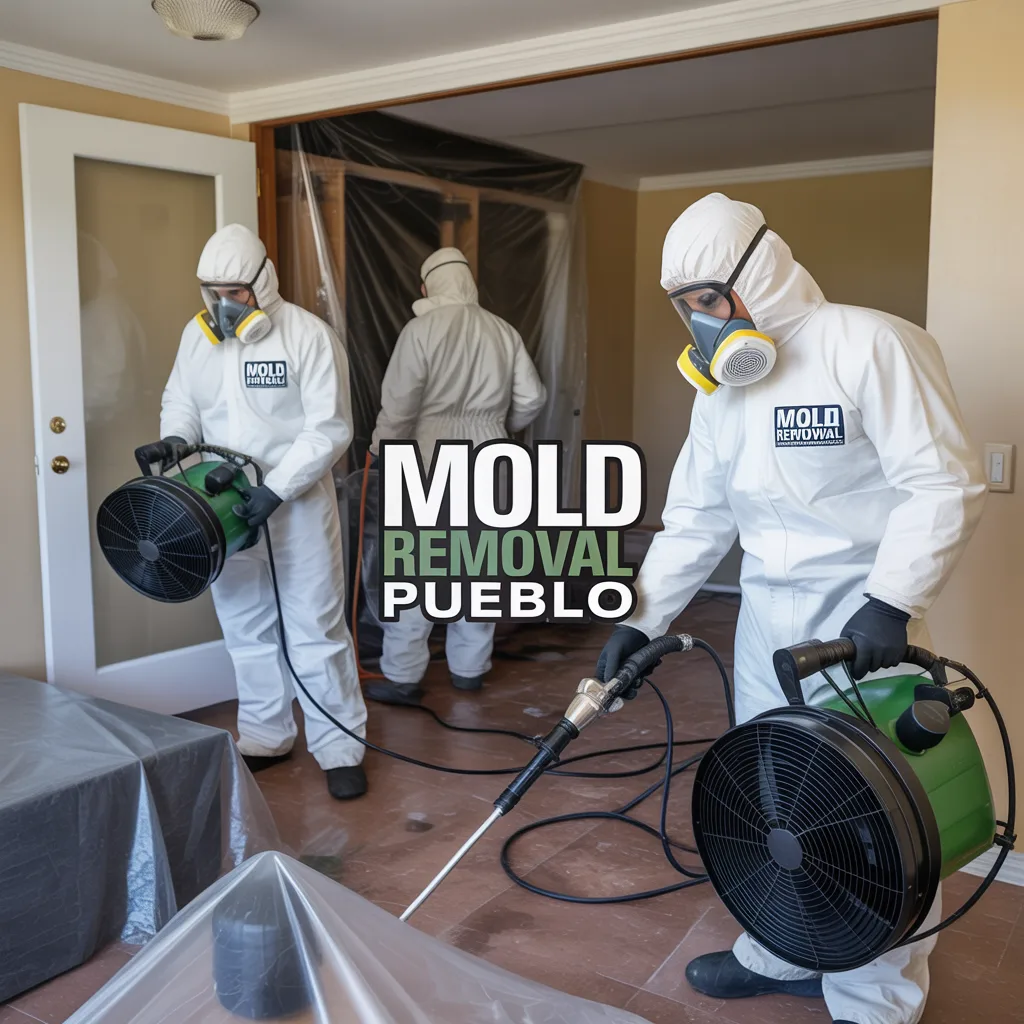
Structural remediation can release spores if contaminated wood is brushed, cut, or opened without containment. We set up barriers to separate the work zone from living areas, especially when the affected area connects to bedrooms, hallways, or forced-air ducts.
Containment matters in older Pueblo homes because framing cavities do not always match modern layouts. A crawl space opening in a closet, a basement stairwell near Downtown Pueblo, or a utility room off Santa Fe Drive can become a pathway for spore spread. We build the containment around the actual airflow of the house, not just the room name on the invoice.
We Remove Compromised Material and Clean Salvageable Framing
Not every stained board needs removal. Not every board can be saved. The decision depends on depth of fungal contamination, wood integrity, moisture history, and whether the piece is structural or cosmetic.
Light surface growth on sound framing may be cleaned using controlled agitation, HEPA vacuuming, and remediation products suited for wood. Soft, delaminated, or repeatedly soaked materials may need removal or coordination with a qualified repair professional. We often see this in crawl space subfloor sections in Bessemer where plumbing leaks sat unnoticed through winter.
During this stage, we keep the work practical. The point is to return the building material to a cleaner, drier, more stable condition while avoiding unnecessary demolition. Customers who want a local crew familiar with Pueblo housing stock can review Mold Removal Pueblo team details before deciding how much structural access is needed.
We Dry, Verify, and Explain the Prevention Work
After cleaning, drying is the part that protects the repair. We confirm that the affected materials are no longer holding excess moisture and that the original water source has been corrected or clearly identified for repair.
We also explain what to watch next. That may include a crawl space vapor barrier, better bathroom ventilation, downspout correction, plumbing repair, or seasonal checks after freeze-thaw cycles. In my experience, the homes that stay clear are the ones where the owner understands why the growth started in the first place.
A clean-looking joist is only part of the result; the real goal is a structure that no longer supports recurring microbial buildup.
Cost Of Structural Mold Remediation In Pueblo
Structural mold remediation in Pueblo usually costs more than basic surface cleanup because it involves access, containment, wood treatment, drying time, and sometimes selective demolition. Small crawl space or framing jobs may start around $950 to $1,800 when the affected area is limited and easy to reach. More involved projects with containment, subfloor work, heavy growth, or multiple rooms often land between $2,500 and $7,500.
The biggest price drivers are access and labor. Cleaning exposed joists in a crawl space with room to work is different from opening finished walls near a bathroom stack in an older Eastside home. If technicians have to remove insulation, bag contaminated debris, work around tight plumbing, or protect finished living areas, the labor hours go up quickly.
Material condition also matters. Sound wood that can be cleaned is less expensive than softened sheathing or subflooring that needs removal. If structural repairs are needed after remediation, that is usually priced separately because remediation and reconstruction are different scopes of work.
Containment and air filtration also affect cost. A small isolated crawl space section may need basic containment. A basement framing issue near HVAC equipment may require stronger separation to protect indoor air quality during cleanup.
The most honest estimate comes after seeing the wood, the moisture source, and the access conditions. A low price without that inspection usually misses something important.
Example of our Mold Removal Projects
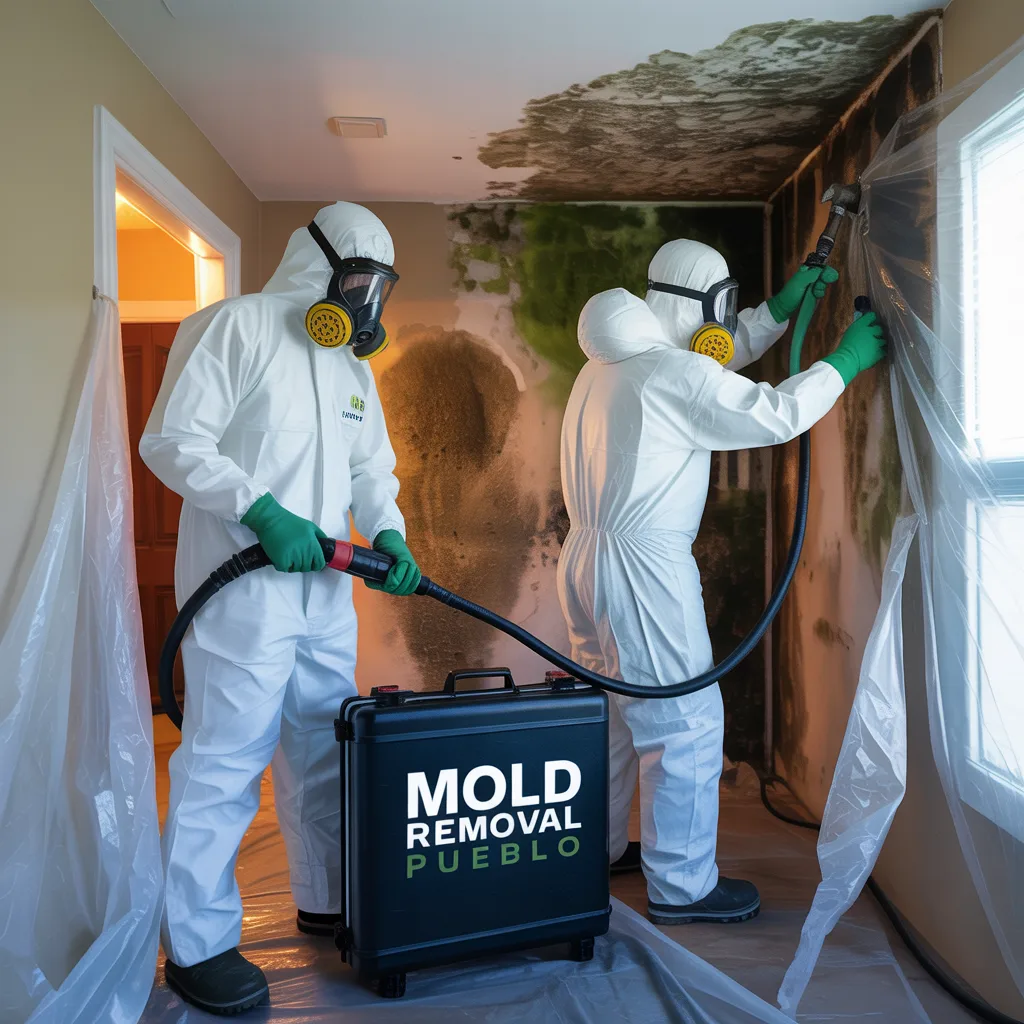
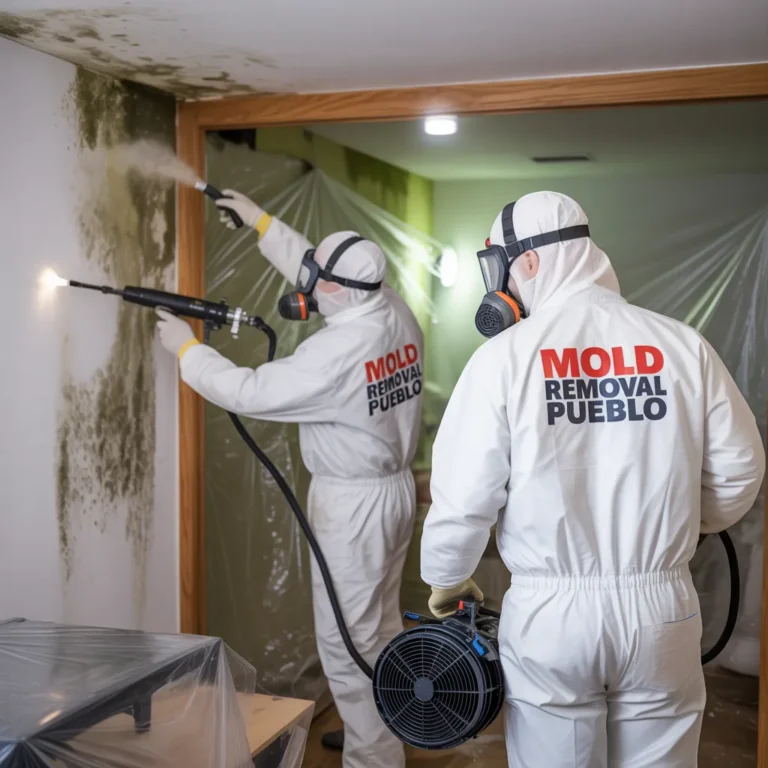



Satisfied Customers in Pueblo, CO
Why Choose Mold Removal Pueblo for Structural Mold Remediation?
Deep Knowledge of Local Mold Conditions
We work exclusively in Pueblo, CO and understand the moisture challenges that affect properties across ZIP codes like 81003, 81005, 81006, and 81007.
We Find the Source, Not Just the Surface
Every job includes identifying the moisture source behind the growth. Cleaning visible mold without fixing what is driving it is not a real solution.
Honest, Clear Communication
You will always know what we found, what needs to be done, and what to expect — in plain language, before any work begins.
Proper Containment Procedures
We contain every remediation job correctly to prevent spore dispersal to unaffected areas of the property.
Residential and Commercial Experience
From single-family homes to rental properties and commercial spaces, we have the experience to handle black mold situations of all sizes across Pueblo, CO.
Available Seven Days a Week
We are available Mon–Sun for inspections, remediation, and emergency mold service across all Pueblo ZIP codes — 81001, 81002, 81003, 81004, 81005, 81006, 81007, and 81008.
FAQ'S About Structural Mold Remediation
What is structural mold remediation?
Structural mold remediation is the controlled cleanup of fungal contamination on building-support materials such as framing, joists, subflooring, sill plates, roof sheathing, and crawl space supports. It focuses on removing contamination, stopping moisture, reducing spore spread, and protecting the stability of the affected area.
How do I know if mold has reached structural materials?
Warning signs include musty odor from a crawl space or basement, dark staining on joists, soft or swollen subflooring, recurring moisture near baseboards, and visible growth behind removed drywall. In Pueblo homes, we often find it beneath bathrooms, near old plumbing, along basement edges, and under additions with poor ventilation.
Is structural fungal growth dangerous to the house?
It can be, especially when moisture continues long enough to soften wood or damage connected materials. Mold itself feeds on organic surfaces, but the bigger structural concern is usually the moisture condition that allows decay, swelling, and weakening to continue.
Can I clean mold off floor joists myself?
Small surface spots may seem easy to scrub, but structural cleanup can spread spores if the area is disturbed without containment and filtration. Professional remediation is safer when growth covers framing, sits in a crawl space, follows a leak, or affects areas connected to living space airflow.
How long does this type of cleanup take?
A limited exposed framing job may take one day. Larger crawl spaces, basement framing, or subfloor projects often take two to five days depending on containment, drying, removal, access, and follow-up moisture checks.
Why is this common in older Pueblo homes?
Many older Pueblo homes have aging plumbing, patched crawl spaces, limited ventilation, and materials that have moved through decades of freeze-thaw cycles. In areas like Bessemer, Eastside, and the Union Avenue Historic District, older foundations and tight crawl spaces can hold moisture longer than newer construction.
Does spring snowmelt make structural mold worse?
Yes, it can. Spring snowmelt can raise soil moisture around foundations and crawl spaces, especially where grading, downspouts, or vapor barriers are not working well. If wood stays damp after that moisture spike, microbial growth can become more active.
Will all contaminated wood need to be removed?
No. Sound structural wood with surface contamination can often be cleaned and dried. Wood that is soft, crumbling, deeply contaminated, or repeatedly saturated may need removal or repair after the remediation scope is completed.
How much should I budget before an inspection?
For planning, many Pueblo homeowners should expect at least $950 to $1,800 for smaller accessible areas and $2,500 to $7,500 for larger structural remediation. The final price depends on access, containment needs, moisture source, damaged materials, and whether removal is required.
How do I keep the problem from coming back?
Keep the corrected area dry. That may mean repairing plumbing, improving crawl space ventilation, replacing a damaged vapor barrier, extending downspouts, sealing exterior water entry points, or using better bathroom exhaust. In Pueblo, it is smart to recheck crawl spaces after winter freeze-thaw movement and again after spring moisture increases.