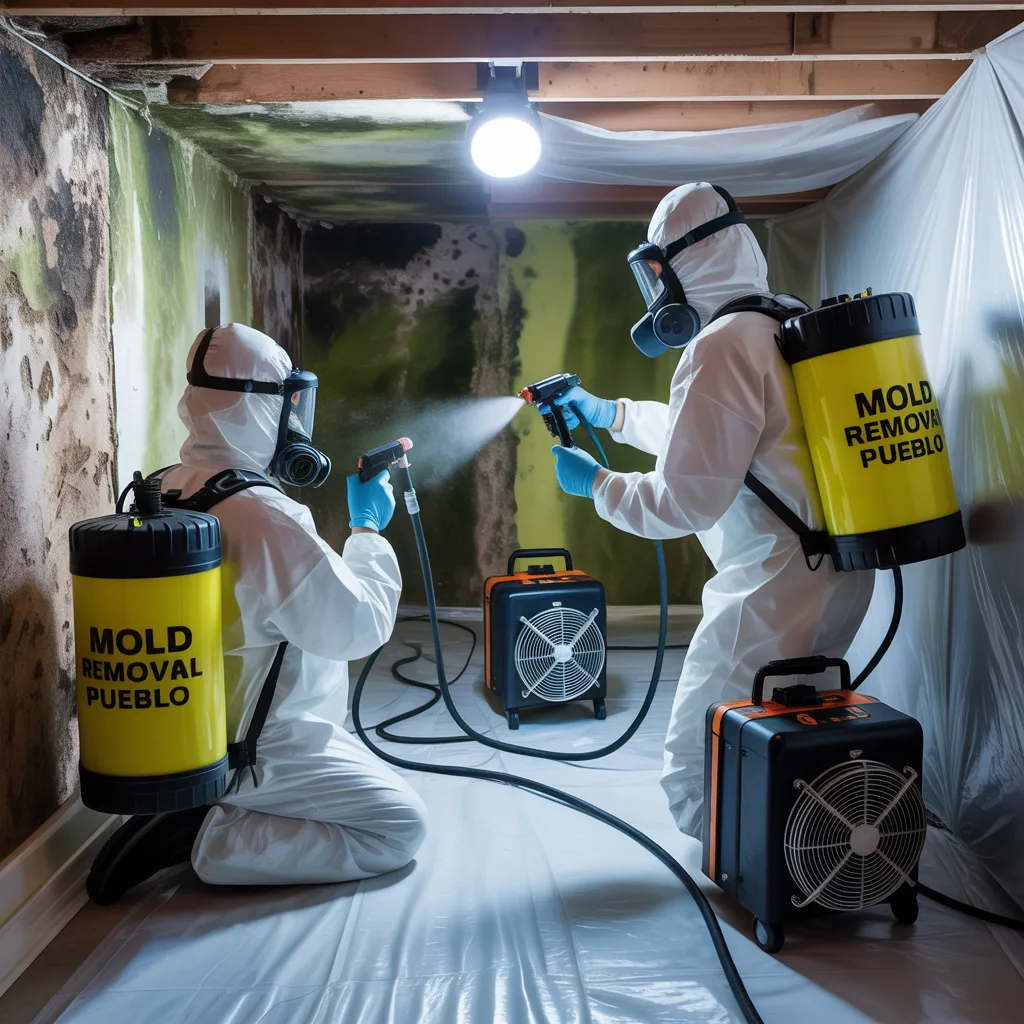
Water Damage Restoration Pueblo
Fast drying, cleanup, and repair guidance for Pueblo properties dealing with spring snowmelt seepage, Arkansas River corridor moisture, and freeze-thaw damage in older crawl spaces.
Professional Water Damage Restoration In Pueblo, CO
Water damage restoration is the controlled drying, cleanup, and repair process after leaks, flooding, or moisture intrusion. It is for Pueblo homeowners, landlords, and property managers who need safe, documented recovery. Pueblo’s older plumbing, clay-heavy soils, spring runoff, and freeze-thaw cycles make fast moisture control especially important here.
Water intrusion in Pueblo rarely stays simple. A broken supply line in Belmont may soak drywall and baseboards before anyone notices. A basement near the Historic Arkansas Riverwalk can take on seepage during spring snowmelt. In Bessemer, we often see crawl spaces where old vapor barriers have been torn by freeze-thaw movement, leaving floor framing damp for weeks.
Our work starts with finding the source, measuring the moisture, and separating what can be dried from what needs removal. That matters because wet materials behave differently in Pueblo’s climate. Dry outside air can make a room feel fine while trapped moisture remains behind plaster, insulation, or old brick walls.
After years of working in homes near Union Avenue Historic District, Eastside, Pueblo West, and St. Charles Mesa, we know the difference between surface dampness and hidden saturation. Homeowners looking for mold removal near Pueblo CO often call after water damage has already created odor, staining, or microbial growth. The better step is to dry the structure correctly before fungal contamination spreads.
A good restoration plan gives you clear readings, practical decisions, and no scare tactics.
Our Process for Water Damage Restoration
Source Control and Safety Check
The first step is stopping the water. That may mean shutting off a failed line, checking a water heater pan, identifying roof entry, or tracing seepage along a foundation wall. We also look for electrical hazards, sagging ceiling materials, contaminated water, and areas where flooring has started to buckle.
In Pueblo homes, the source is not always obvious. We often see moisture traveling under vinyl plank flooring in Downtown Pueblo rentals or soaking into old subfloor near laundry rooms off Santa Fe Drive. Water can move sideways behind trim before showing up in a different room.
Once the immediate risk is controlled, we document what is wet. Moisture meters, thermal imaging, and hands-on inspection help us decide what can stay and what has to come out. That keeps the project focused instead of turning a small drying job into unnecessary demolition.
Moisture Mapping and Material Decisions
Moisture mapping tells us how far the water traveled. Drywall, plaster, carpet pad, insulation, laminate, hardwood, and concrete all hold water differently. A finished basement in Pueblo West may need dehumidification and baseboard removal, while an Eastside brick home may need slower drying so trapped wall moisture does not create new odor.
In my experience, older Pueblo houses need extra care around layered materials. Pre-1970s homes near the Riverwalk often have remodels built over older surfaces. That can hide wet plaster behind newer drywall or trap water between flooring layers.
We explain those findings before removal begins. A clean cut below the saturation line may save upper drywall and reduce repair costs. Carpet pad usually cannot be reliably dried after heavy saturation, but some carpet can be cleaned and reset if the water source was clean and the response was fast.
Drying Equipment and Daily Adjustments
Drying is not just placing fans in a room. Air movers, dehumidifiers, containment, and temperature control need to work together. Too much airflow in the wrong direction can push damp air into closets, wall cavities, or nearby rooms.
Pueblo’s dry days can help, but they can also fool people. The air may feel comfortable while subfloor moisture remains high. During late-summer monsoon humidity, drying can slow down quickly, especially in basements and crawl spaces with limited ventilation.
We check readings during the drying cycle and adjust equipment as materials release moisture. Property owners searching for top-rated mold removal in Pueblo usually want someone who understands the connection between water cleanup, spore spread, and indoor air quality. That is why documentation matters at every stage.
Cleanup, Verification, and Repair Planning
After the structure reaches acceptable drying goals, cleanup begins. We remove debris, HEPA vacuum affected areas when needed, wipe hard surfaces, and check for odor or visible microbial growth. If fungal contamination is present, the work area needs a remediation protocol rather than simple drying.
We also help you understand the repair path. Some jobs only need trim reset and paint. Others need drywall patches, flooring replacement, insulation work, or crawl space vapor barrier correction.
The final walkthrough is simple. We show what was dried, what was removed, what still needs repair, and what conditions could cause the problem to return. That gives you a cleaner handoff to insurance, a contractor, or your own maintenance plan.
Cost Of Water Damage Restoration In Pueblo
Water damage restoration in Pueblo often starts around $650 to $1,500 for a small clean-water leak that affects one room and needs limited drying equipment. A moderate job involving wet drywall, carpet pad removal, baseboard removal, and several days of drying commonly falls between $1,800 and $4,500.
Larger projects can run $5,000 to $12,000 or more when water reaches multiple rooms, finished basements, crawl spaces, cabinets, or insulation. The biggest cost drivers are labor hours, the amount of demolition needed, drying time, equipment days, disposal, cleaning level, and whether the water is clean, gray, or contaminated.
A basement near the Arkansas River corridor may cost more than a hallway supply-line leak because foundation seepage can affect concrete, framing, stored contents, and wall cavities. A crawl space in Bessemer can also add labor because access is tight and vapor barriers may need removal or replacement before drying is effective.
Insurance may cover sudden events like burst pipes, but slow leaks and long-term seepage are handled differently by many policies. We give practical pricing before major work begins so you can decide what makes sense for the property, the damage, and the repair budget.
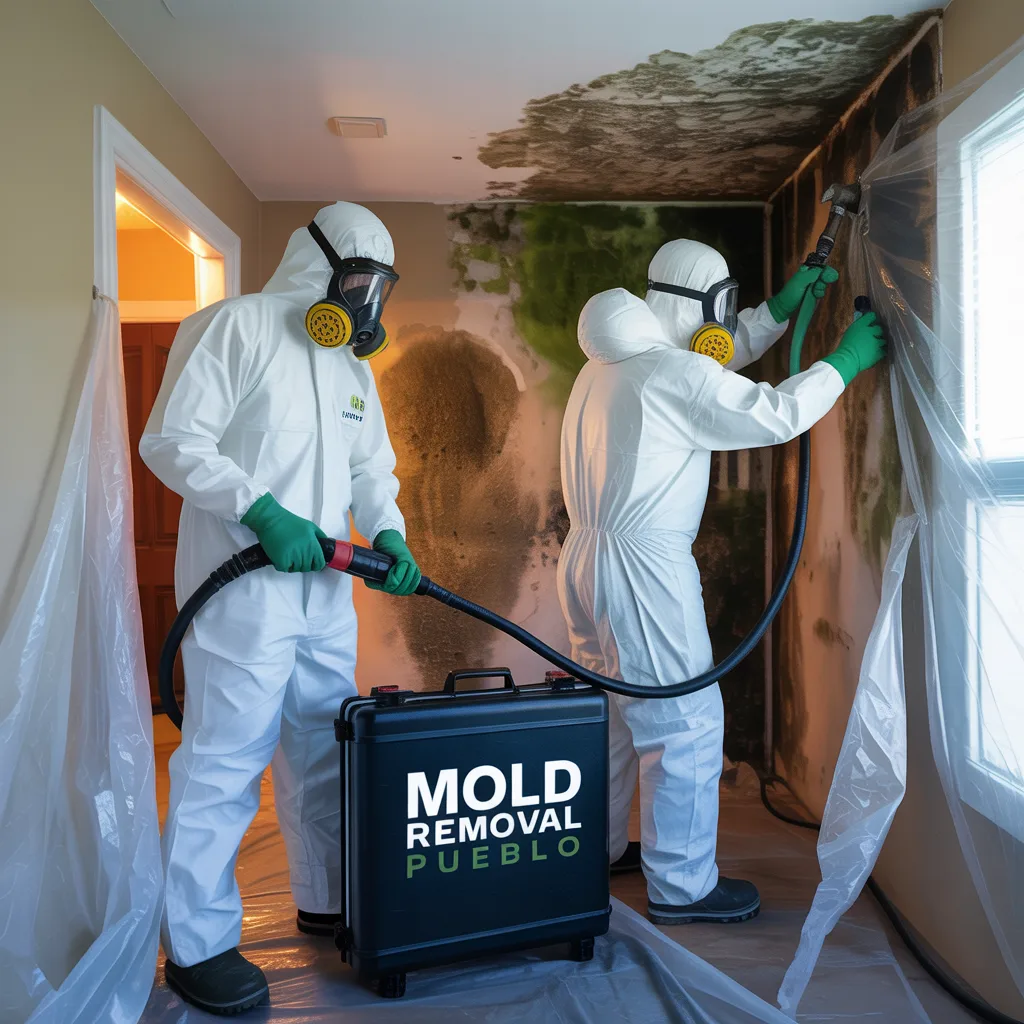
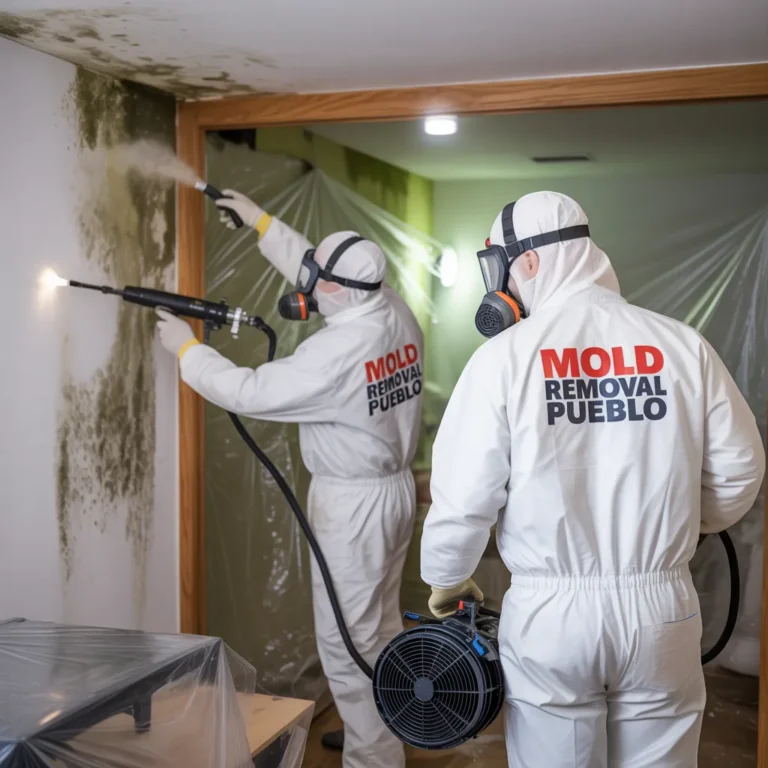
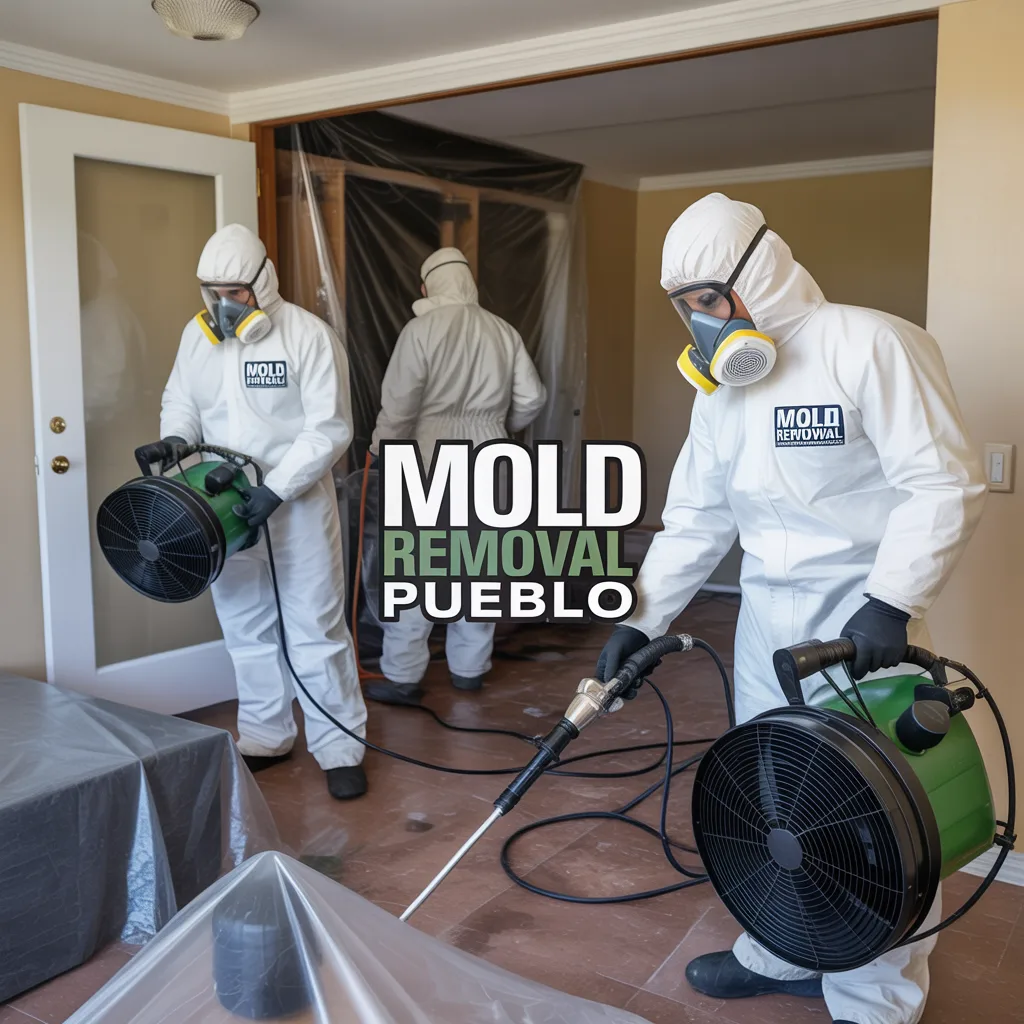
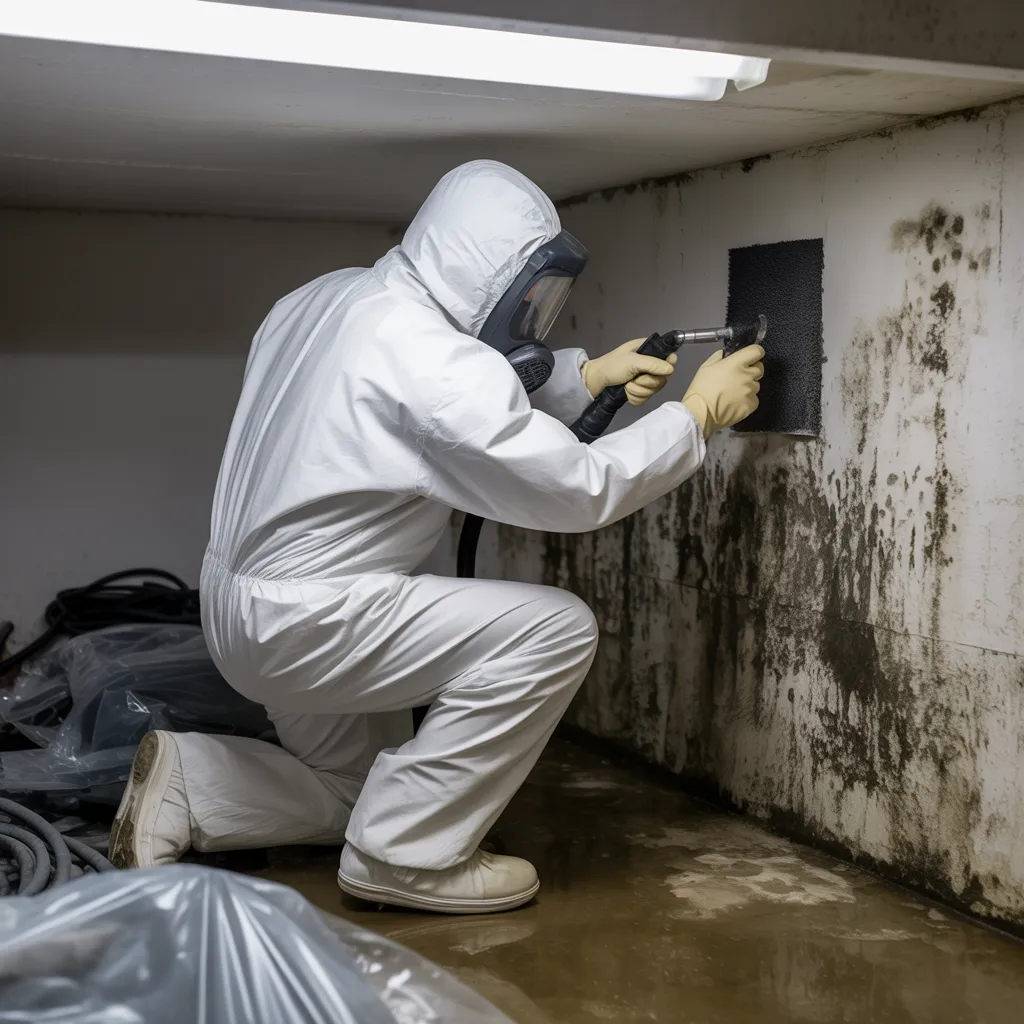
Example of our Mold Removal Projects



Satisfied Customers in Pueblo, CO
Why Choose Mold Removal Pueblo for Water Damage Restoration?
Deep Knowledge of Local Mold Conditions
We work exclusively in Pueblo, CO and understand the moisture challenges that affect properties across ZIP codes like 81003, 81005, 81006, and 81007.
We Find the Source, Not Just the Surface
Every job includes identifying the moisture source behind the growth. Cleaning visible mold without fixing what is driving it is not a real solution.
Honest, Clear Communication
You will always know what we found, what needs to be done, and what to expect — in plain language, before any work begins.
Proper Containment Procedures
We contain every remediation job correctly to prevent spore dispersal to unaffected areas of the property.
Residential and Commercial Experience
From single-family homes to rental properties and commercial spaces, we have the experience to handle black mold situations of all sizes across Pueblo, CO.
Available Seven Days a Week
We are available Mon–Sun for inspections, remediation, and emergency mold service across all Pueblo ZIP codes — 81001, 81002, 81003, 81004, 81005, 81006, 81007, and 81008.
FAQ'S About Water Damage Restoration
How fast should water damage be handled in Pueblo?
Water damage should be handled the same day whenever possible. In Pueblo, moisture can move into subflooring, crawl spaces, plaster, and wall cavities before the surface looks severe. Fast drying reduces material loss and lowers the chance of microbial growth.
What does water damage restoration include?
It includes source control, moisture inspection, water extraction, removal of unsalvageable materials, structural drying, cleaning, odor control, and final moisture verification. The exact steps depend on the water source, affected materials, and how long the area stayed wet.
Can I dry water damage myself with fans?
Small surface spills can sometimes be handled with towels, ventilation, and household fans. Professional drying is safer when water reaches drywall, carpet pad, cabinets, crawl spaces, insulation, or rooms below the leak. Household fans usually do not remove trapped moisture from building materials.
Why do Pueblo basements get moisture after snowmelt?
Spring snowmelt can push water against foundations, especially where grading, gutters, or soil drainage are poor. Homes near low-lying areas and the Arkansas River corridor may see basement dampness even without a dramatic flood event.
How long does structural drying usually take?
Many clean-water jobs take 2 to 4 days of active drying. Dense materials, basements, crawl spaces, cabinets, and humid late-summer conditions can extend the timeline. The job is finished based on moisture readings, not just the calendar.
Will wet drywall always need to be removed?
No. Drywall may be dried in place if the water was clean, the material is not swollen, and moisture has not been trapped too long. Removal is more likely when insulation is wet, seams are failing, staining is present, or microbial growth has started.
What signs mean water is hidden behind walls?
Common signs include musty odor, bubbling paint, soft drywall, warped trim, staining, cool wall sections, and flooring that cups or separates. In older Pueblo homes, plaster and brick can hide moisture longer than modern drywall.
Does water damage cause mold?
Water damage can lead to mold when moisture remains inside materials long enough for spores to grow. The risk increases in closed wall cavities, damp crawl spaces, wet carpet pad, and poorly ventilated basements. Proper drying is the best prevention.
Is water damage worse during Pueblo winters?
Winter can make restoration more complicated. Freeze-thaw cycles can stress crawl space barriers, pipes can burst, and cold areas dry more slowly. Heated living spaces may feel dry while rim joists, crawl spaces, or exterior walls stay damp.
What should I do after the restoration is finished?
Keep gutters clear, correct negative grading, monitor plumbing connections, use ventilation in bathrooms and laundry rooms, and check basements after snowmelt or monsoon storms. A quick moisture check after the next major weather event can catch small problems before they spread.